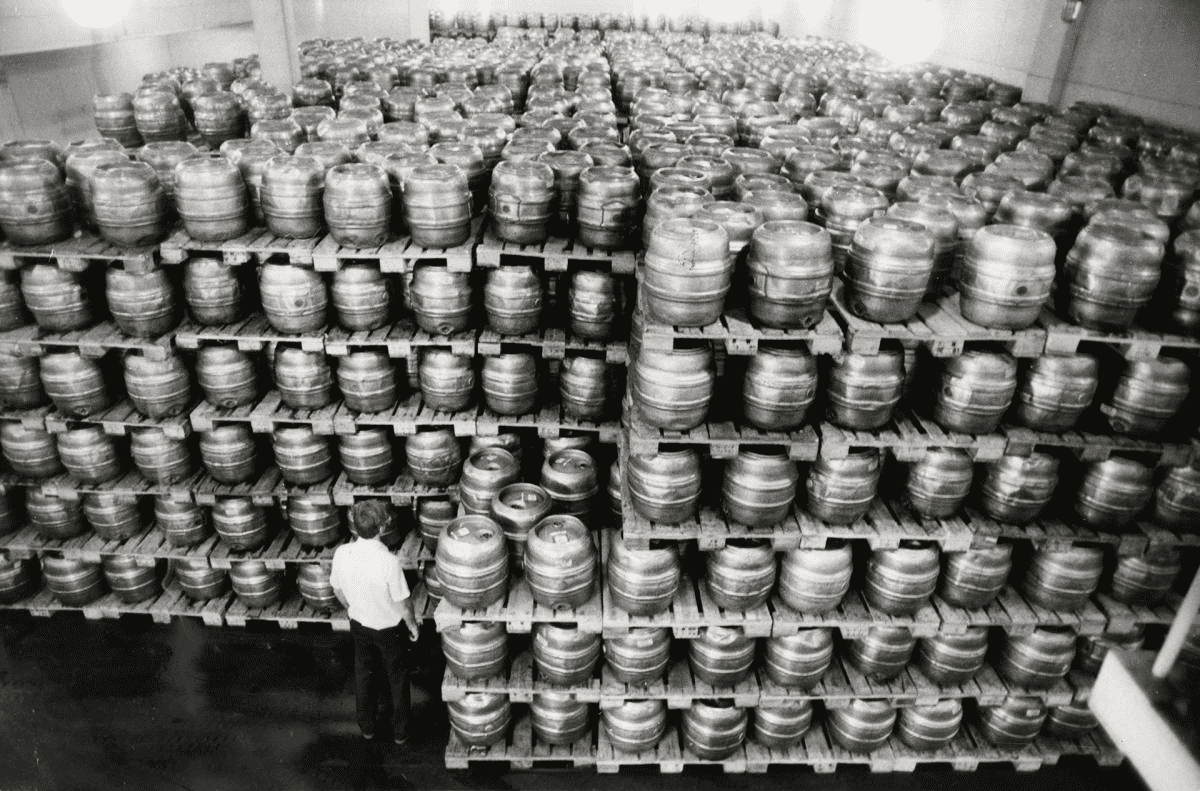
One of the most popular alcoholic beverages in the world is beer. Thanks to its rich flavour, it has won the hearts of almost every person on the planet. In the 21st century, there are many different types of beer, each significantly distinct from one another, allowing everyone to find their preferred taste. More on ottawa1.one.
As is well known, the history of beer dates back to ancient times. Brewing was also practiced in Canada. It can be confidently stated that this business, established centuries ago, has been quite successful. In Old Ottawa, one of the first beer production facilities was founded centuries ago. From a small shop, the brewery grew into a Canadian beer empire and, even after ceasing operations, left behind intriguing legends and rumours. Local historians and researchers have spent years trying to confirm these stories.
The Opening of the Brewery
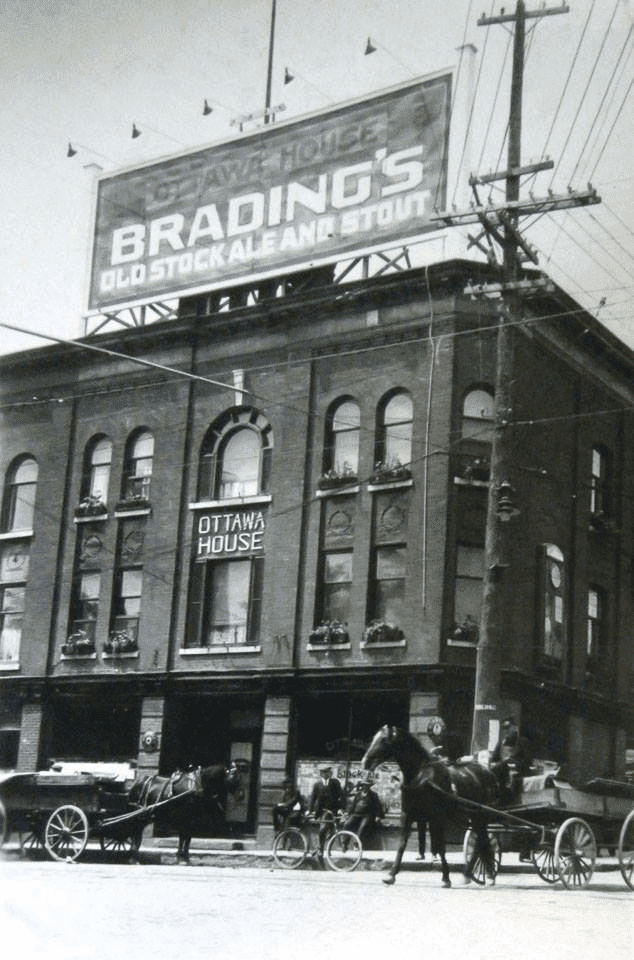
Ottawa’s beer history begins with a man named Henry Brading. He was an Englishman who moved to Canada at the age of 33. In 1865, he opened a small shop selling raw materials for brewing beer.
This establishment later became a brewery called “Union Brewer.” The brewery, managed by Brading, was located on Wellington Street in Ottawa, near Christ Church Bridge.
After 15 years in the brewing business, Brading decided to buy out all of his partners’ shares. As a result, the business became entirely his, and in 1880, he rebranded it under his own name, calling it “Brading Breweries.”
Over the years, the business grew successfully. Brading’s beer was highly sought after due to its great taste and high quality.
In 1903, Brading passed away at the age of 71. The shares of his successful company were transferred to a well-known local businessman of the early 20th century, a citizen named Magee, and his large family.
The Beer Business Empire
Although the brewing business fell into the hands of someone outside the Brading family, the local Magee family of entrepreneurs successfully expanded it into a vast beer empire.
In 1930, Edward Taylor, the grandson of Magee, took over the management of Brading’s brewing company at just 29 years old. Ambitious, confident, and highly intelligent, Edward gave a new lease on life to the old beer production business. In a relatively short time, he transformed the aging Brading brewery into a thriving business empire, making himself one of the most prominent business figures of the 20th century.
The Great Depression
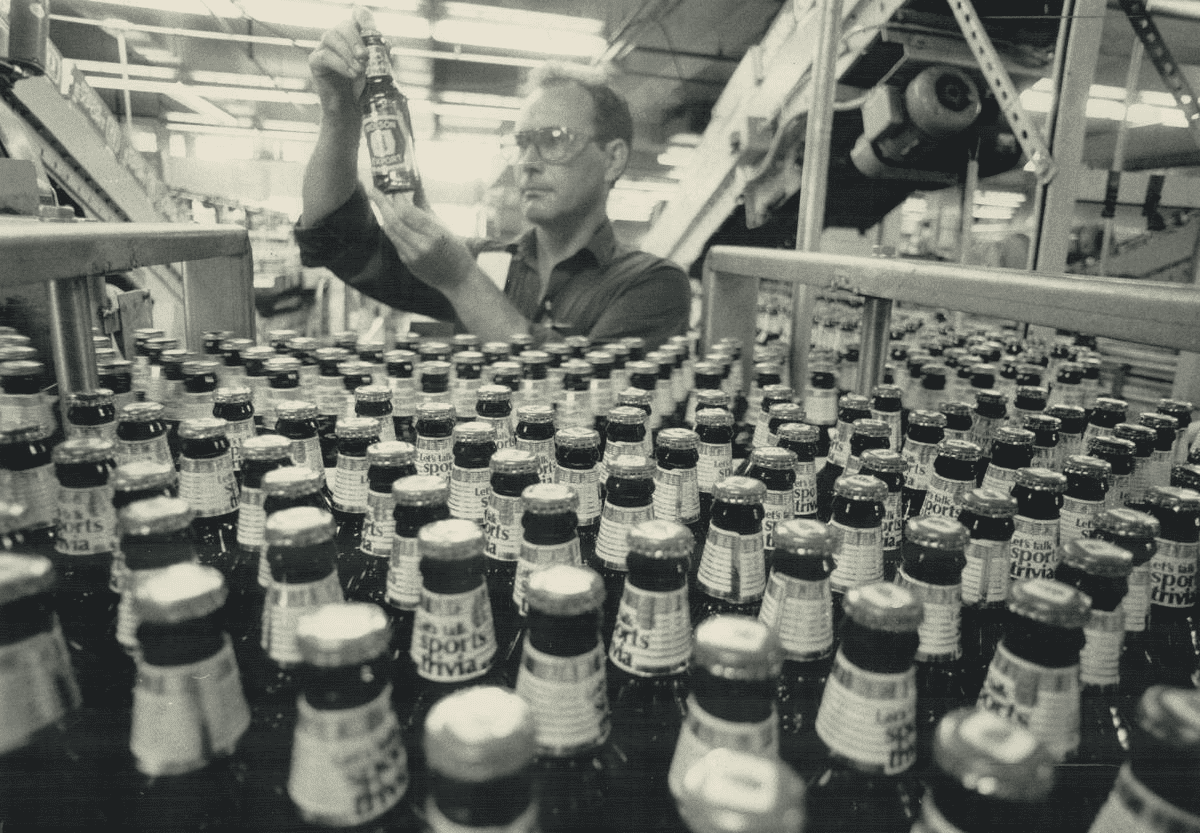
The Great Depression was an unfavourable period for the alcohol business. As difficult times began, Edward panicked and started buying dozens of small breweries across Ontario. He attempted to merge the acquired breweries to improve production, investing in modernization for some while shutting down others that were unprofitable.
The breweries that were successfully merged and improved came to be known as “Canadian Breweries,” later becoming the famous “Carling O’Keefe.”
Changes the Brewery Underwent
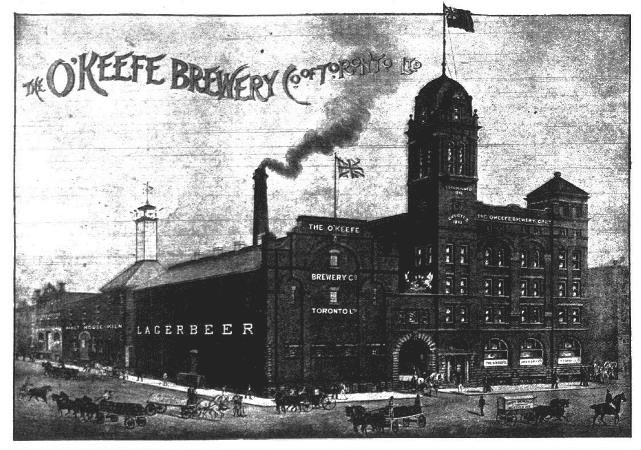
In 1938, the land on which the old brewery building stood on Wellington Street was privatized by the government. The government had completely different plans for this land than beer production, intending to develop it into a public leisure area. However, the company continued beer production in the old Wellington Street building until 1944. Edward relocated the brewery’s offices to the far end of Wellington Street and merged them with the “Capital” firm. This marked the beginning of a new brewing company, “Brading’s Capital Brewery.” The old brewery building remained leased by the “Carling O’Keefe”-managed company until 1956. By 1960, the building that had once housed the first brewery in the city was demolished.
In 1945, nearly a million dollars were allocated for the expansion of the brewing plant. With these funds, the beer empire acquired a new facility, which was the longest building in the city at the time.
Alongside the brewery’s expansion, the company decided to construct an underground tunnel that would allow the transportation of one million bottles of beer directly from the plant in the southern part of the city to the company’s warehouse in the northern part. This decision was made partly due to frequent transportation accidents occurring while delivering beer via city roads.
The brewery’s management debated how best to transport beer through the tunnel—whether to use carts, conveyors, or trains.
Eventually, the tunnel was built, and a small train was used to transport beer from the plant to the warehouse. The construction of the tunnel greatly facilitated product transportation. It successfully operated for many years. Notably, beer shipments were always escorted, as there had been incidents of workers consuming alcohol on the job.
Over time, the beer empire expanded even further, incorporating plants located in Toronto. However, in 1969, the last bottle of beer rolled off the brewery’s production line. The brewery building was demolished, and the government decided to build residential complexes on the site. By then, the warehouse had been transferred to government ownership and was completely demolished in 1983.
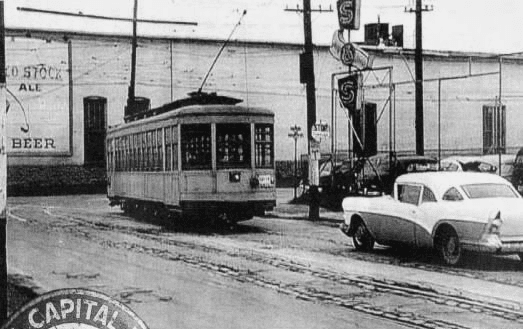
Following this, a legend emerged that the train used to transport beer from the plant to the warehouse still lies somewhere underground, waiting to be discovered.
At one point, Ottawa’s municipal authorities were laying a new water pipeline in the area of the former brewery warehouse. Given the many legends surrounding this site, historians, archaeologists, local historians, and railway society members joined the workers in hopes of finding evidence of the tunnel that once transported millions of beer bottles.