

Public bathhouses played a crucial role in the advancement of hygiene and sanitation. The Plant Bath was built in Ottawa alongside the Champagne Fitness Center, another historic public bathhouse. In 2024, The Plant Bath celebrated its 100th anniversary, making it an ideal time to delve into its rich history. Ottawa One explores its past.
Early History
Ottawa’s historic Plant Bath was established in 1924 with the primary goal of improving hygiene and the well-being of the city’s lower classes. The decision to construct public baths was influenced by Ottawa’s transformation from a lumber town into a modern urban centre, striving to compete with cities like Toronto and Montreal. As a result, a growing working-class population emerged alongside an upper-class bourgeoisie advocating for social order and moral reform.
The city’s elite began voicing concerns about social issues, including crime rates, prostitution, poverty, and gambling—considered “immoral activities” at the time. Reformers believed that improving hygiene among the working class was an essential step toward addressing these concerns.
Notably, in 1918, Ottawa residents endured the devastating Great Influenza Epidemic, commonly (and mistakenly) referred to as the “Spanish Flu.” Within just a few months, hundreds of working-class citizens living in Lowertown and downtown Ottawa lost their lives. This epidemic highlighted the urgent need for change, albeit at a tragic cost.
Following this public health crisis, the city council and upper-class representatives agreed to build two public bathhouses. The Plant Bath was named in honour of Frank Henry Plant, who served as Ottawa’s mayor from 1921 to 1923 and again in 1930. A businessman and politician, Plant was also a member of the city council.
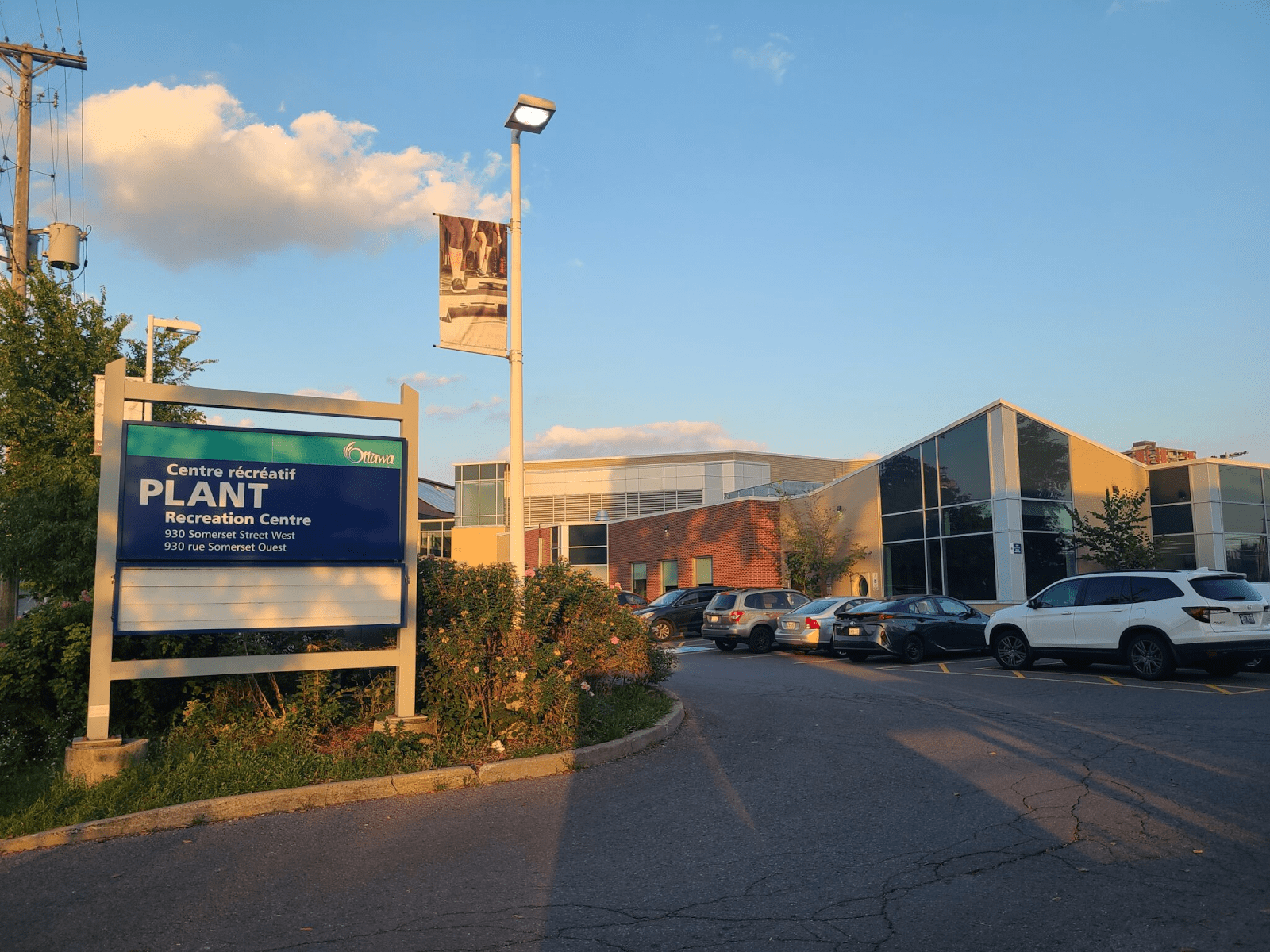
The Plant Bath is located in the heart of Ottawa’s Italian-Canadian community, near the city’s Chinese-Canadian district, at 930 Somerset Street West.
Meanwhile, the Champagne Fitness Center was built in Lowertown at 321 King Edward Avenue.
Architectural Features
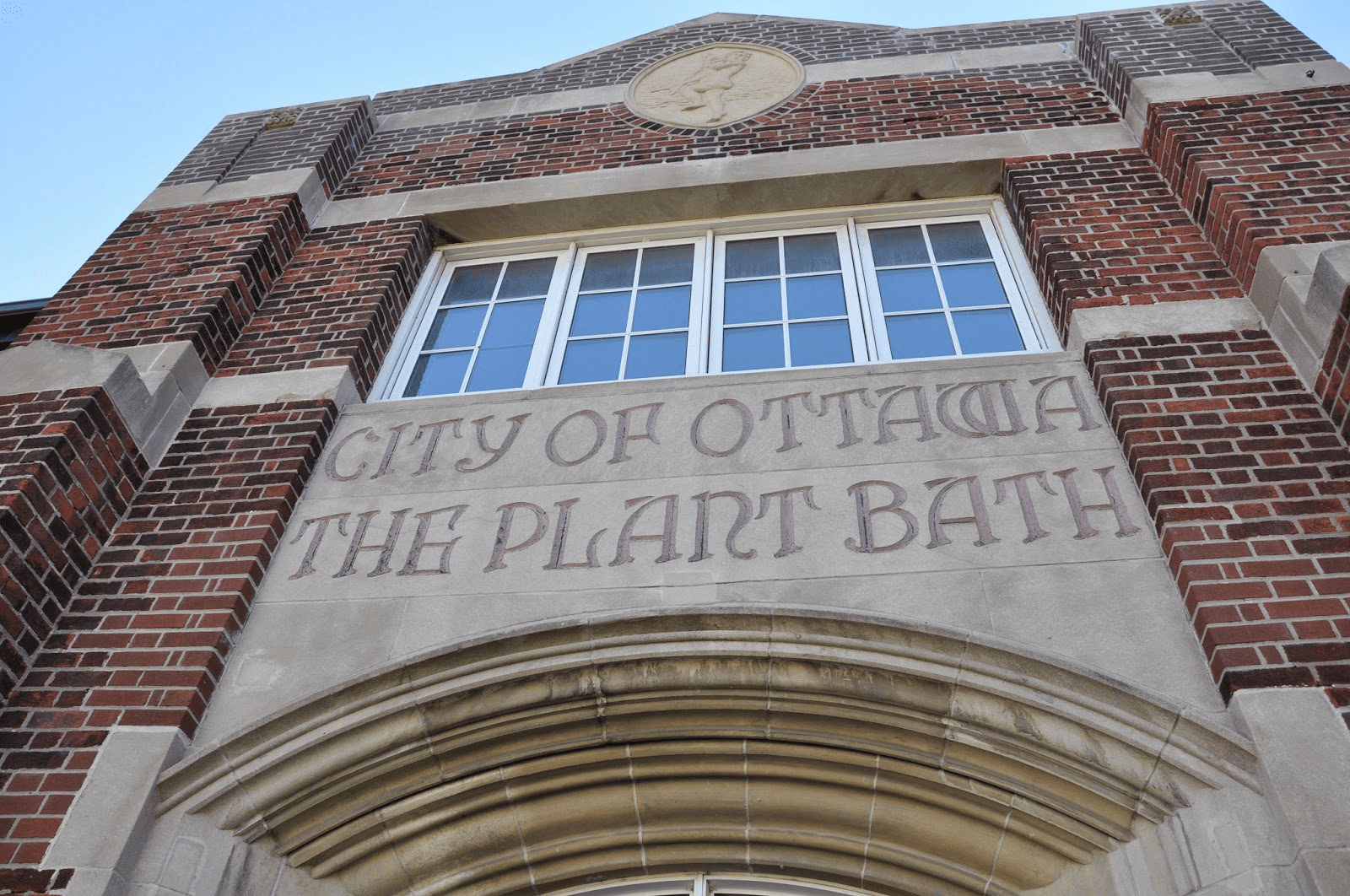
The public bathhouses were designed with distinct architectural styles. The Plant Bath was built in a Neo-Gothic style, in line with other municipal buildings of the era. Visitors were greeted by a modest red-brick façade, enhanced by small medallions in the shape of mandorlas (a special type of halo) above the main entrances. These medallions depicted a young boy holding a large fish standing amidst waves, symbolizing the significance of water. This imagery may have been a reference to the Rideau River, which had long served as a public bathing site for the city’s residents.
In contrast, the Champagne Fitness Center blended elements of Spanish Colonial Revival and Prairie-style architecture. The Spanish Colonial Revival style was gaining popularity in Canada in the 1920s, and incorporating it into a public bathhouse may have been intended to evoke a sense of leisure and community engagement.
The Value of Public Bathhouses
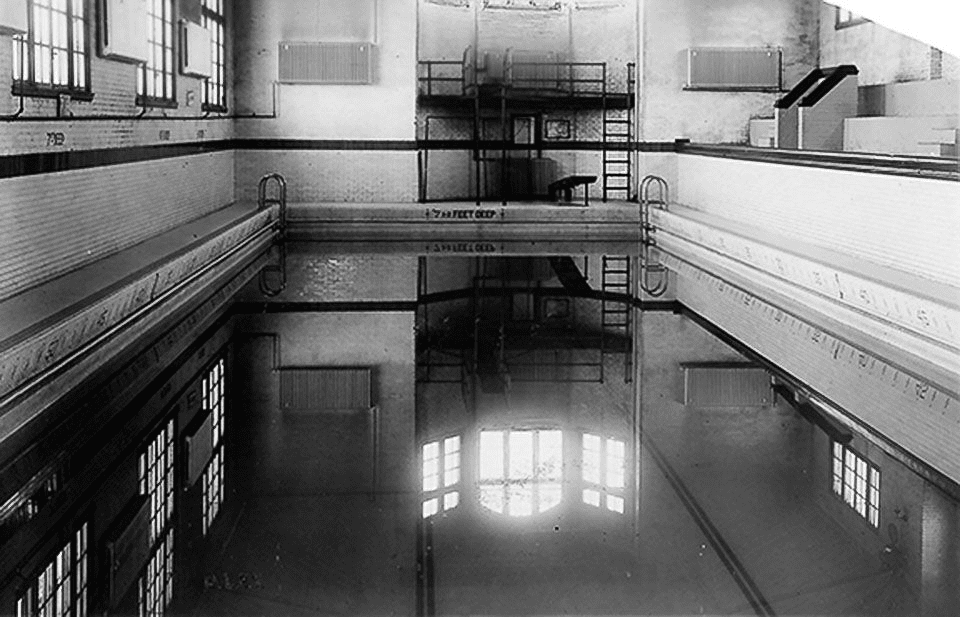
The public bathhouses in Ottawa quickly became popular. The Plant Bath housed:
- Restrooms
- Showers
- Two changing rooms with lockers
- A swimming pool, where thousands of children and adults learned to swim
- A spectator gallery for lessons, events, and competitions
The facility had a significant impact on the local community, which led to a public outcry in 1933 when the mayor, responding to the Great Depression, attempted to shut it down.
However, a coalition of philanthropists and local activists, led by the Ottawa Women’s Council, successfully pressured the municipal government to keep the bathhouse open.
During the 1940s and 1950s, financial difficulties once again threatened the bathhouse’s existence. Despite its economic challenges, the facility provided vital hygiene and wellness services to the working-class population.
According to Ottawa Citizen, visitor numbers surged within just two weeks of the bathhouse’s opening. In the following decades, the facility became a popular venue for swimming competitions.
The First Years of Operation
Few records documenting the early operations of The Plant Bath remain. However, some articles from Ottawa Citizen provide insight into how the facility functioned and how it was used by the public.
The bathhouse’s operation included:
- The purchase of thousands of towels, swimsuits, and soap
- The provision of hairbrushes and hairdryers
- The availability of “soap cakes,” suggesting that visitors engaged in both exercise and personal hygiene activities
The bathhouse’s central location made it easily accessible on foot for Ottawa residents.
One article from Ottawa Citizen in 1941 mentions that children were scalping bathhouse tickets at the Champagne Fitness Center. The official ticket price was 25 cents at the beginning of each month, but some children resold them to friends at inflated rates ranging from 50 to 90 cents, making a considerable profit.
Another interesting fact is that “mixed-gender” swimming sessions became popular at the time, allowing men and women to swim together during designated hours each week.
A Gathering Place for the Community
The two public bathhouses quickly became important social and community hubs. While they were not associated with any radical movements, working-class communities regularly used them for gatherings. These bathhouses served as informal public centres, which may have alarmed city officials, contributing to later efforts to shut them down.
Investments
By the 1980s, the city council recognized the need to invest more in recreational facilities. Ottawa residents welcomed this decision, leading to a major renovation of The Plant Bath between 1983 and 1984. The bathhouse was transformed into a recreation and entertainment centre, featuring:
- A lounge
- Water slides
- Saunas
- Sun loungers
- A cedar deck
- A plant-filled relaxation area
- Tarzan ropes
In 1994, the facility was designated a heritage site. However, just three years later, it was closed due to structural concerns. The bathhouse’s brick pillars, which supported the roof, were deemed unstable, posing a significant risk of collapse. Experts estimated that repairs would cost millions of dollars, leading to an eight-year closure.
Renovation and Reopening
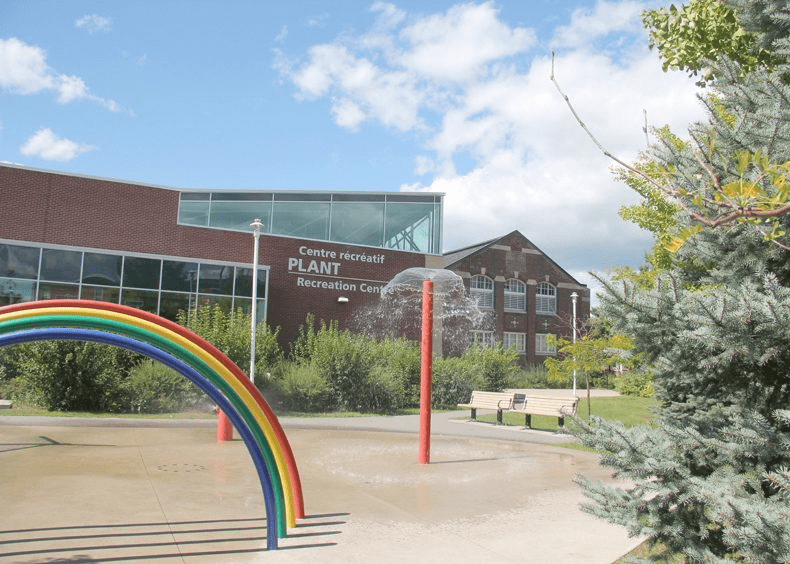
In 2000, construction and renovation work began on the facility, with a budget of $8 million. By 2004, specialists had completed a large-scale reconstruction and expansion, allowing the facility to reopen to the public. Several significant changes were made:
- The bathhouse was repurposed into conference halls and event spaces, with the original pool removed.
- Two new pools were added: one Olympic-sized and another shallower pool for leisure activities.
- A hot tub and steam room were incorporated into the complex.
- The facility now includes three changing rooms with showers, toilets, and private changing stalls, as well as lockers for storage.
- A spacious lobby was constructed, featuring public restrooms, viewing areas, and artworks.
- A fitness centre was added for sports and exercise.
Visitors can explore the facility through a virtual tour before planning their trip to the modernized Plant Recreation Centre.
Sources
- chrome-extension://efaidnbmnnnibpcajpcglclefindmkaj/https://dalspace.library.dal.ca/bitstream/handle/10222/64708/vol40_no1_83_96.pdf?sequence=1&isAllowed=y
- https://www.mplundy.com/our_projects/plant-bath-recreation-centre/
- https://ottawa.ca/en/recreation-and-parks/facilities/place-listing/plant-recreation-centre