

The history of trade in the Ottawa region is both ancient and fascinating. It dates back to the 17th century, when early settlements in the area gradually evolved, and with them, trade flourished. This vibrant development in commerce played a crucial role in shaping the modern city we know today. Read more on ottawa1.one.
Fur Trade
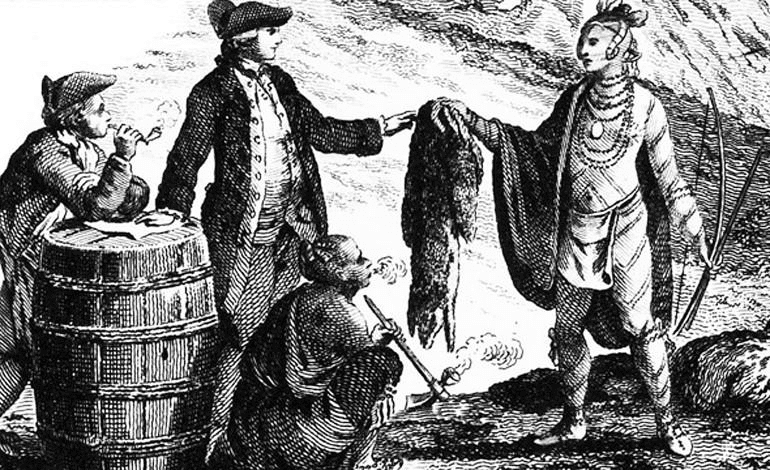
Illustrations depict how the Indigenous peoples of present-day Ottawa traded furs in the past.
Throughout the 17th and 18th centuries, the fur trade played a vital role in shaping and strengthening the economy of what would later become Ottawa.
Life in these territories at that time was closely tied to the arrival of numerous explorers, who ventured to Canada to study its landscapes and resources. During those years, furs were transported in large quantities on horse-drawn carts. Alongside fur trading, local inhabitants also engaged in commerce involving iron axes, muskets, and other tools.
Fashion Trends in Trade
The demand for natural fur in England and other European countries remained high from the 17th century to the late 18th century. This trend fueled economic growth in the Ottawa region. However, by the 19th century, fashion changed as European nations gradually moved away from fur.
This shift led to a sharp decline in the fur trade in the early 1800s.
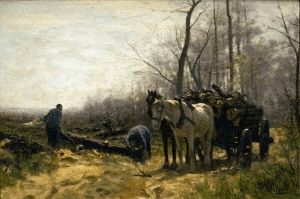
Yet, Indigenous traders in Ottawa adapted swiftly to the new market dynamics. Instead of furs, they shifted their focus to timber trade.
Timber Trade
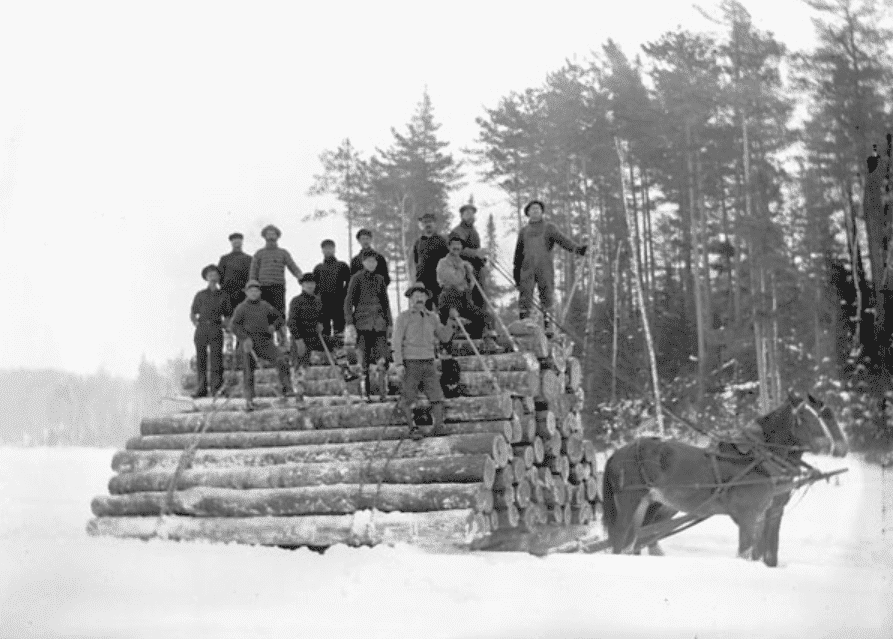
Britain had an immense demand for timber, particularly oak, which was essential for shipbuilding. While England refrained from completely depleting its forests, oak was scarce in the country. The abundance of oak trees in the Ottawa region made it a prime source for Britain’s shipbuilding industry.
The timber trade became a new economic driver for Ottawa. Logs were floated down the rivers, and ship masts were assembled on the riverbanks before being sent to England.
The Timber Boom
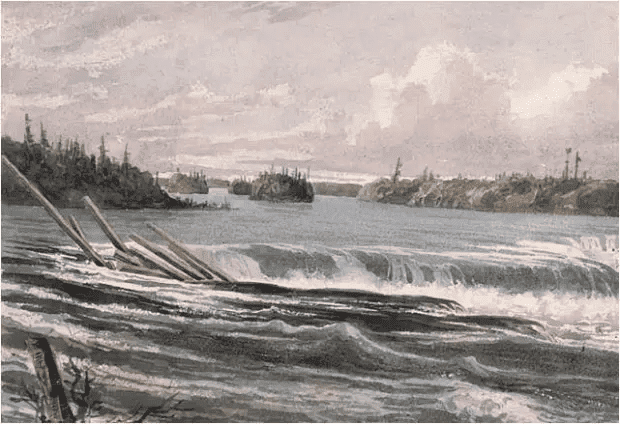
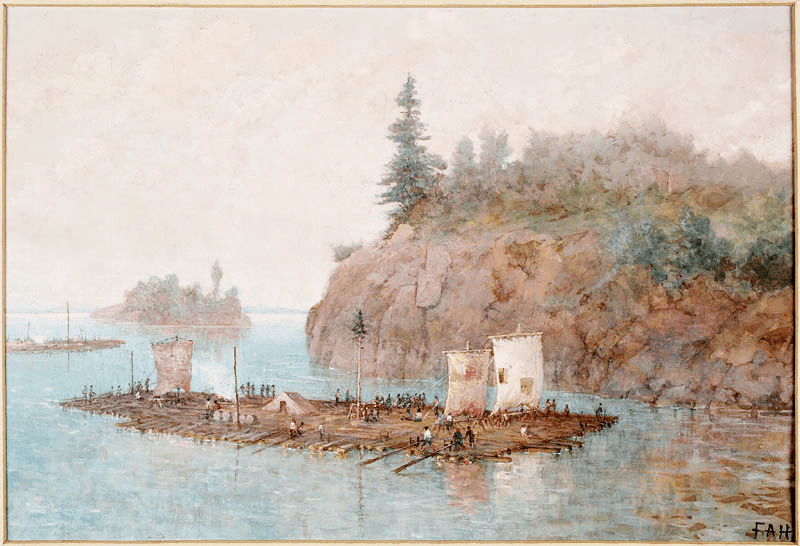
At the beginning of the 19th century, Indigenous communities and settlers in Ottawa had to adapt to the new timber trade industry. By 1806, they developed a method to float logs down the Ottawa River to Montreal, then upriver to Quebec City for export to England and European markets.
With the Napoleonic Blockade, economic policies in Europe led to embargoes and tariffs on imported goods, including timber. This drove up timber prices in Europe, making Canadian wood an attractive and lucrative commodity.
During the initial years of the timber boom, Canadian traders exported logs as whole trunks or in square timber format. These logs were tied into rafts and floated down the river, maximizing transportation efficiency. However, this method had drawbacks—up to 30% of the timber was lost during river transportation.
Transition to Lumber Trade
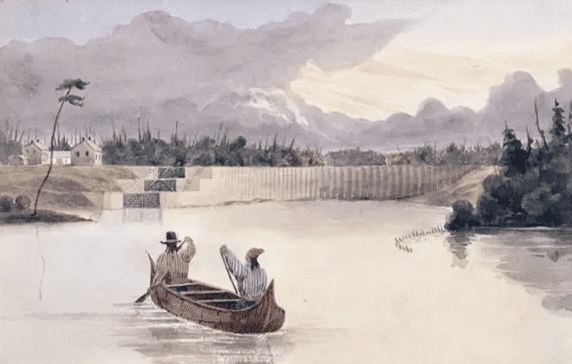
As with any profitable trade, competition quickly emerged. The timber industry in Ottawa expanded rapidly, becoming a key pillar of the regional economy and playing a significant role during the First and Second Anglo-Burmese Wars.
Southern Ontario saw an influx of immigrants seeking jobs and stable wages in the timber industry. The need for labour was especially high in winter, when tree sap levels were low, making the wood ideal for processing. However, winter logging was a gruelling and physically demanding task.
Over time, the timber industry evolved into a full-scale lumber trade. By the early 20th century, shipbuilding no longer relied on wood, especially as metal hulls became the norm. This marked a shift toward the mass production of lumber and construction materials.
Bytown: The Main Beneficiary
By 1850, the rapid growth of trade had led to the formation of Bytown, a settlement that would later become Ottawa.
Bytown served as the economic and trade hub of the region. It was located near Rideau Falls and played a critical role in supporting the construction of the Rideau Canal (built between 1826 and 1832).
The Rideau Canal enabled further timber transportation, improved navigation, and expanded trade networks. In its early years, Bytown thrived thanks to the timber trade, which dominated the local economy.
Although other forms of trade existed, timber remained the primary driver of Bytown’s prosperity.
The expansion of trade, infrastructure development, and the construction of a major shipping canal fueled economic growth in the region. In 1850, Bytown was officially incorporated as a town, and just five years later, in 1855, it was renamed Ottawa.
As time passed, trade continued to flourish, and the city expanded. Today, Ottawa stands as a modern capital, shaped by the legacy of commerce that dates back centuries.