

In the territories that would later become Ottawa, various security and supervisory agencies gradually took shape. Over the years, several police bureaus operated in the area, including the Bytown Public Order Protection Organization. The official establishment of the city’s law enforcement organization took place in 1847. The present-day territories of Ottawa have a long, rich, and fascinating history of law enforcement development and progress. More details on ottawa1.one.
The Beginning of the Police Service
The police force evolved alongside the growth of the settlement to meet the needs of the local population. In 1855, the settlement of Bytown was officially recognized as a city and renamed Ottawa. At that time, Chief Ross became the city’s first police chief, overseeing a force of seventeen officers. These officers, known as constables, were responsible for maintaining order in the lumber town.
The Life of Police Officers
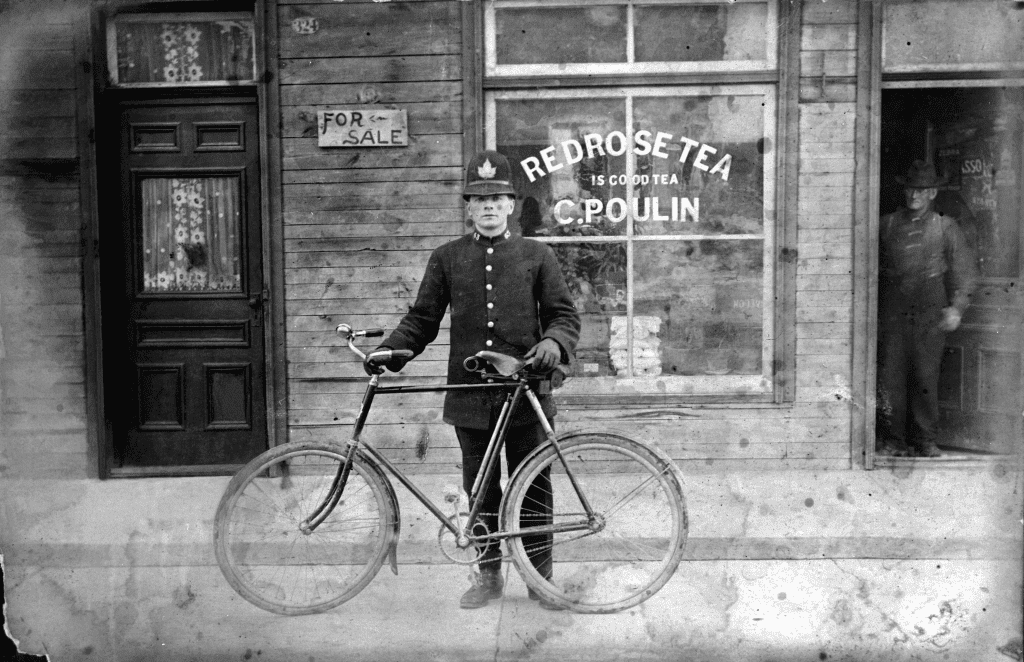
The job and life of Ottawa’s early constables were quite difficult. They worked hard but received meager wages. They maintained public order, prevented thefts, apprehended criminals, and ensured that residents adhered to the law. Early police officers also investigated crimes, gathered evidence, and presented it in court. Most of their work was related to brawls and alcohol consumption. Despite the dangers of their job, the first police officers were paid just one dollar for each criminal they apprehended.
Changes in the Police Force in the 1860s
By 1863, the city established a Police Board to oversee law enforcement, curbing the significant influence of local politicians on the police force. The newly formed body supervised and controlled police operations in the city.
Seven years later, a new police chief was appointed, with ten officers under his command. These new officers were only issued batons, and there was no official uniform for regular police officers—only the police chief had a formal uniform in the 1860s.
In 1863, despite the changes in leadership, the pay structure remained the same, with officers earning money only for arrests. This payment system continued until 1865. As the police force expanded and new departments were created, salaries improved. Officers were now distinguishable by their uniforms, and in 1867, they were issued firearms—”Smith & Wesson” revolvers.
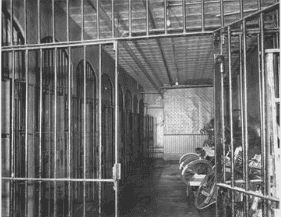
By the late 19th and early 20th centuries, the city expanded rapidly, leading to the establishment of more police stations. In 1867, the first police station with jail cells was built. By 1907, Ottawa’s population had grown to 76,000, with 67 officers maintaining order.
The First Women in the Police Force
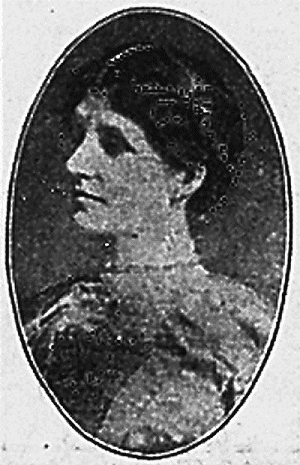
For most of the 19th century, law enforcement was considered a male profession, and women were not considered for police roles. However, this changed in 1913 when a woman named Campbell was hired. Previously, she had worked in probation services and as a matron at a women’s hostel. Her skills and experience proved invaluable, particularly in dealing with female offenders. Unlike male officers, she was able to understand and assist women, helping them find employment and resolving conflicts before they reached court.
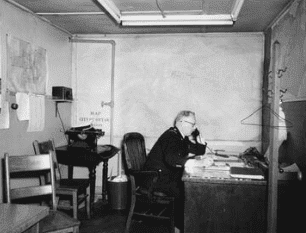
Campbell was Ottawa’s first female police officer. The presence of women in law enforcement increased significantly with the introduction of landline telephones. By the 1920s and 1930s, most households had telephones, and the police department established a call center. As a result, Ottawa’s police force began hiring women as telephone operators in large numbers.
Police Transportation
In the 19th century, police officers primarily patrolled on foot, lacking any means of rapid transport. As law enforcement developed, mounted patrols and horse-drawn wagons were introduced. By the early 1900s, the police force acquired a Ford Model T car, which significantly improved officers’ ability to apprehend criminals. A few years later, the first motorcycles were introduced, marking the modernization of the police vehicle fleet in the early 20th century.
The Emergence of New Departments
The 20th century brought significant changes, growth, and technological advancements. The force had expanded to over one hundred officers, with new police stations emerging as the city expanded. The police hierarchy was restructured, and education became a crucial requirement for officers. Training programs were enhanced to improve the qualifications of law enforcement personnel.
Crime Rates
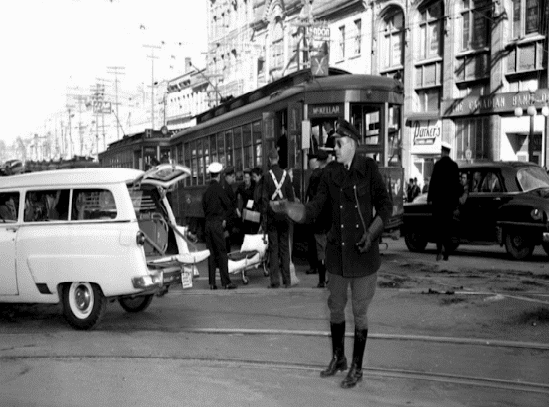
Before World War II, Ottawa police arrested thousands of criminals annually, primarily for illegal gambling, prostitution, and alcohol-related offenses. In the years leading up to World War II, incidents of burglary and robbery became more common. By the 1950s, crime rates in the city increased further, with car thefts and firearm-related offenses becoming more prevalent.
Police Education
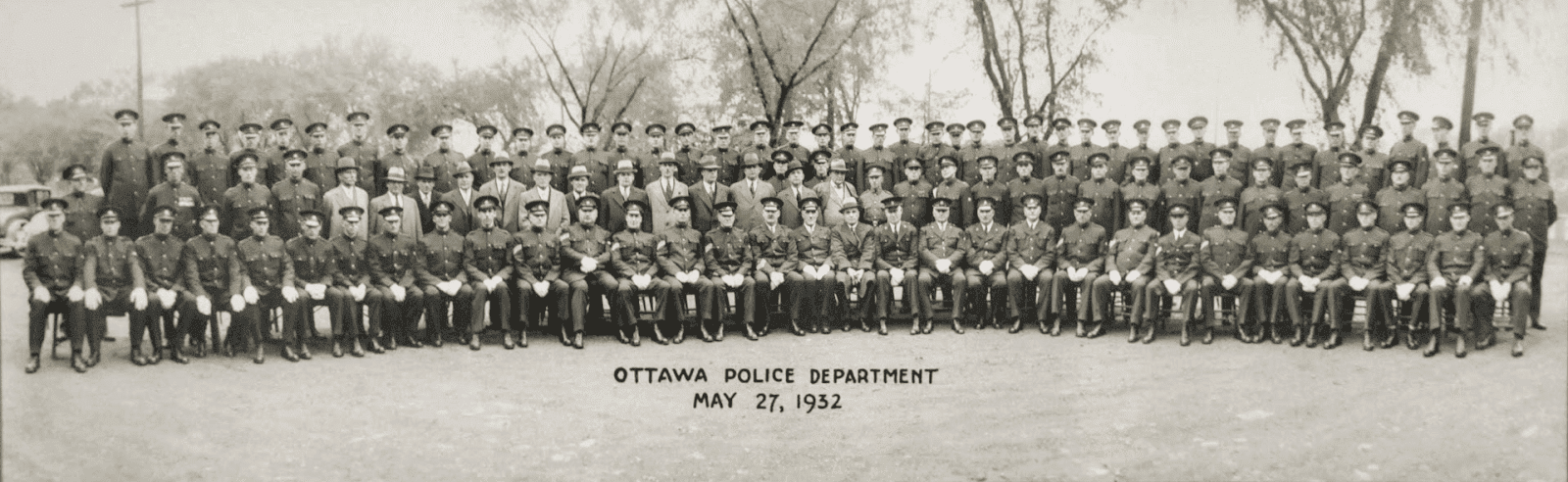
In the 19th century, formal police education was nonexistent. Early officers were merely watchmen who maintained order and were rewarded with a dollar for each criminal they caught. However, as the police force evolved, significant technological advancements in the early 20th century led to the modernization of law enforcement. New standards were introduced for police recruits, changing the training process. This development led to the establishment of Ottawa’s first police training school.
Previously, new officers received on-the-job training or informal instruction. Under the new system, recruits were required to complete a full training course in various disciplines, pass exams, and only then join the force.
From Early Law Enforcement to the Modern Police Service
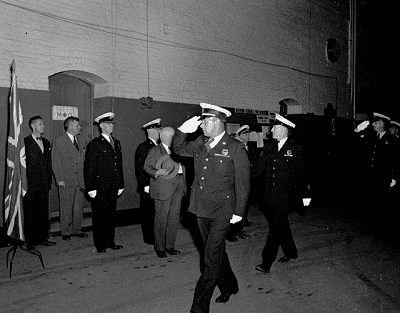
Today, women make up nearly 40% of the Ottawa Police Service and serve in various departments. The law enforcement system continues to expand and modernize. Compared to the 19th century, the number of officers has grown significantly, and by the early 21st century, over 2,000 officers were serving in the force.
Throughout history, Ottawa’s police officers have worked with dedication and professionalism. Many officers have lost their lives in the line of duty. Since 1977, the National Peace Officers’ Memorial Ceremony has been held annually on Parliament Hill to honor officers who died while serving their community.