Ottawa is a true cultural hub and a city that fosters a thriving educational environment. It is also recognized as one of the most educated cities in Canada, with more than half of its residents having completed college or university. When comparing the concentration of engineers, scientists, and PhD holders per capita in Canada, Ottawa stands out as a clear leader.
It is fascinating to explore how it all began. Ottawa One delves into the history of Ottawa’s first educational institutions and their unique stories.
The History of Ottawa’s First Schools
In 1871, the Local Schools Act was passed, ensuring free and mandatory elementary education for all. This act categorized gymnasiums into two types of secondary schools:
- Classical secondary schools – These institutions focused on subjects such as Latin, Greek, English grammar, composition, trigonometry, algebra, and natural history.
- Collegiate institutes and high schools – These schools also provided a classical education but placed greater emphasis on sciences and more “practical” disciplines.
Up until the mid-1870s, these two streams remained distinct, but eventually, the lines blurred. As society shifted toward valuing scientific knowledge, classical education took a back seat. This change ultimately led to the development of well-equipped and structured urban secondary schools.
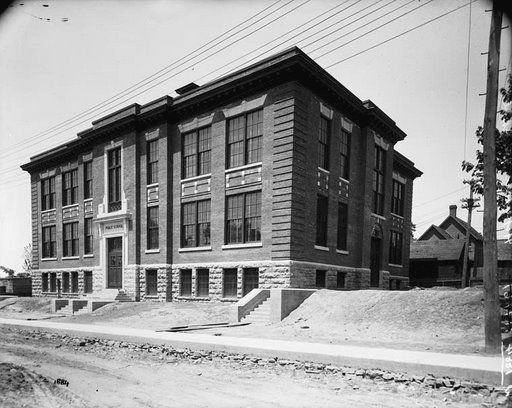
Schools in Ottawa: A Key Political Issue
At the beginning of the 20th century, education became a heated political issue, primarily due to language disputes. English-speaking Catholics and Protestants clashed with French-speaking Catholics, leading to ongoing tensions. By 1885, English was made a mandatory subject, and within five years, it became the language of instruction in schools.
In 1959, the government formed a commission led by Alphonse-Marie Parent to investigate the state of education. The Parent Report called for major reforms, including reducing the role of the Church in schools, establishing official oversight of education, and creating a dedicated Department of Education, which paved the way for further improvements.
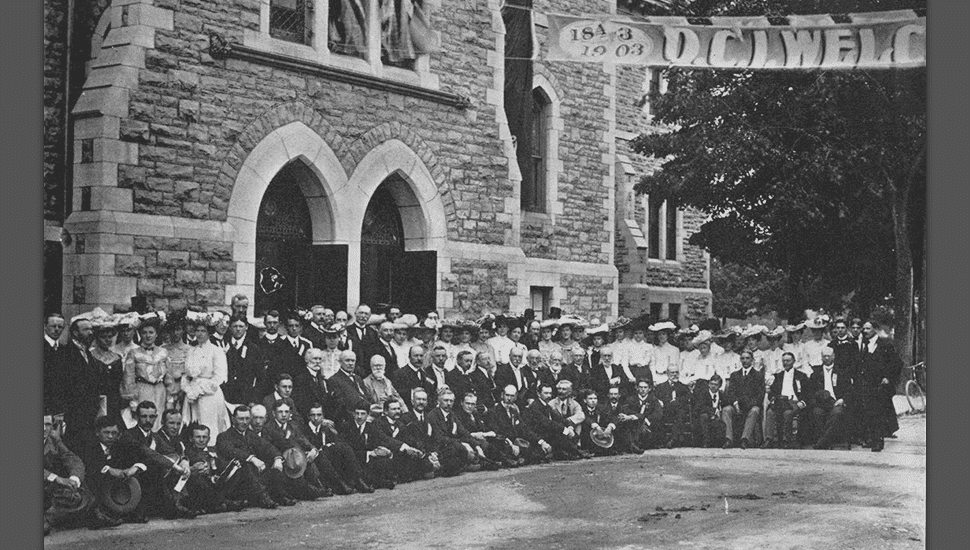
The First Schools in Ontario
One of Ontario’s first schools, St. John’s Common School, was established in 1804. It was the first non-denominational free school in Upper Canada and remained operational until 1844. Later, a new school was built nearby, but the original building continued to serve as an educational facility. St. John’s is now recognized as the oldest public school in Ontario.
In December 1895, Mutchmor Street Public School was founded. It was the first elementary school in Ottawa, named after John Mutchmor, a veteran of the War of 1812. The school has a remarkable history and remains one of Ottawa’s oldest schools. The building is designated as a heritage property. Initially, it served students from kindergarten to grade six and became a French immersion centre. In the 1990s, there were plans to close the school, but the local community’s efforts ensured its survival.
Another historic school that continues to operate is First Avenue Public School, built in 1898. The building, a heritage site, was designed in the Richardsonian Romanesque style, with a third floor added in 1907. In 1980, the Ottawa Board of Education planned to close and demolish the school, but parental protests successfully prevented this from happening.
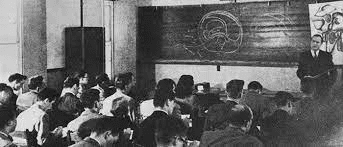
The Mohawk Institute Residential School in Ontario
The Mohawk Institute was built in 1831 as a residential school for Indigenous children in Brantford, Ontario. The school operated until 1970, leaving a legacy of trauma for Indigenous communities. Children from the Six Nations were forcibly taken from their families and placed in the school to undergo cultural assimilation, with the goal of eradicating their language and heritage.
After closing in 1970, the building was repurposed in 1972 as the Woodland Cultural Centre, dedicated to preserving and promoting First Nations culture and history.
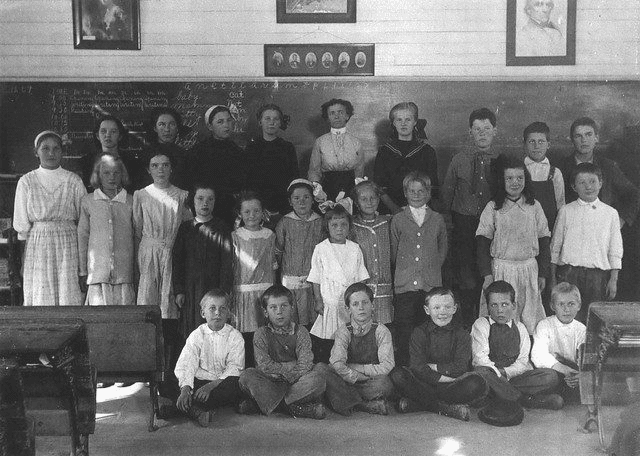
The History of Gymnasiums in Ottawa
Gymnasiums, which existed alongside traditional schools, were a form of secondary education that emphasized classical subjects such as Greek and Latin, combined with advanced English instruction. Historical records indicate that female students were more likely to attend gymnasiums, despite the fact that these institutions were initially intended for boys.
In 1853, the government passed the Gymnasium Act, which established a standardized curriculum. Gymnasiums were considered preparatory schools for university, setting them apart from regular public schools.
Public schools were state-funded, whereas tuition fees for gymnasiums were higher. However, students from all social classes – lower, middle, and upper – attended gymnasiums, which offered higher academic status and better career prospects than traditional schools.
Ottawa’s Education System
The city is home to two major public universities:
- Carleton University
- University of Ottawa
In addition, there are public colleges such as:
- Algonquin College
- La Cité collégiale
Ottawa also has Catholic universities, including:
- Dominican University College
- Saint Paul University
There are four major school boards in the city:
- The English Public School Board – the largest in terms of schools.
- The English Catholic School Board.
- The French Catholic School Board.
- The French Public School Board.
Numerous private schools also operate in Ottawa, though they are not affiliated with any school board.
High-Quality Education
Ottawa offers a wide range of schools with top-quality education in English and French, available through both public (secular) and Catholic school systems, as well as private institutions. Students in public elementary and secondary schools receive government-funded education, while private schools require full tuition payments.
The city’s education system is known for producing high-achieving students, who consistently rank at the top in various academic disciplines.
Ottawa’s legacy of education continues to thrive, making it a leader in learning and innovation in Canada.