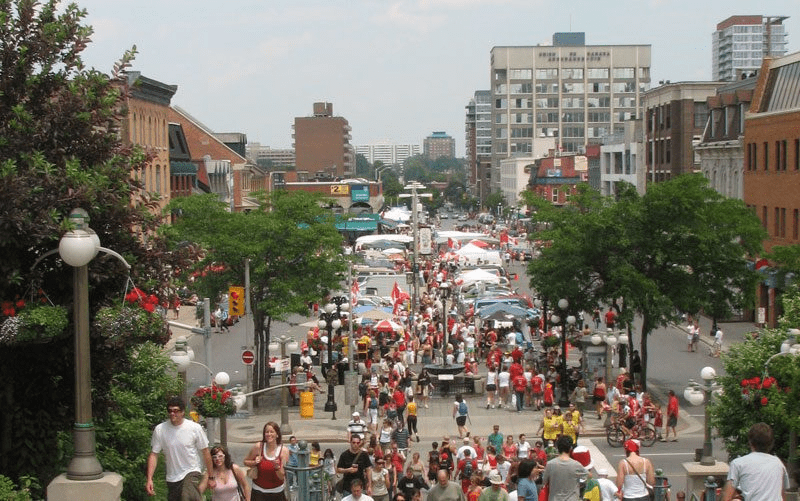
Located in southeastern Ontario, Ottawa serves as Canada’s vibrant capital. Its rich history is interwoven with the story of ByWard Market, a historic and iconic district beloved by locals and visitors alike. Known for its bustling energy and cultural significance, ByWard Market has evolved into a hub of commerce, fashion, and tourism. Ottawa One delves into the market’s storied history and ongoing development.
Commerce in Ottawa
Ottawa has long been a center for trade and commerce. By the mid-21st century, the city’s trade sector employed over 80,000 people and boasted more than 70 major shopping centers, alongside several commercial districts. Among these, ByWard Market stands out as a historic cornerstone of the city’s economy.
ByWard Market Origins
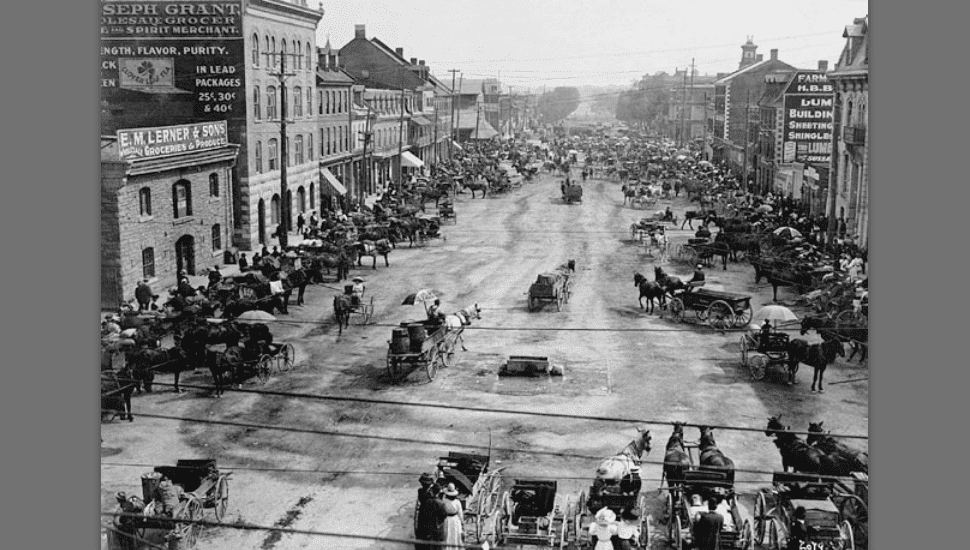
Construction of ByWard Market began in early 1827, and the market was named after Lieutenant Colonel John By. Tasked with building the Rideau Canal, Colonel By drained and cleared the cedar swamp in the area that now forms ByWard. This initiative transformed the area into a bustling commercial and residential hub for canal workers. Under his leadership, a small settlement grew into a thriving economic and cultural center.
ByWard Market is the historic heart of Ottawa’s Lower Town. In 1846, the first market building was constructed along George Street, between Sussex and William. In 1865, a new structure was erected on William Street, where it has stood ever since.
Recognizing the district’s historical significance, Ottawa City Council approved a heritage strategy for ByWard Market in 1980.
Development of ByWard Market
In 1855, ByTown was officially renamed Ottawa. As the city expanded, so did ByWard Market. To accommodate growing demand, four additional lots were purchased, and a ceremonial bell was acquired to mark the market’s grand opening.
By 1871, overcrowding necessitated plans for a larger market building. Designed by James Mather, the new market opened in 1876, located between George and York Streets. This marked the market’s fourth structure.
In the early 1900s, strict rules governed vendors. For instance, spitting on the pavement could result in fines or imprisonment, enforced by a market inspector. Despite such regulations, the market thrived.
In 1926, a devastating fire destroyed the market building, but it was quickly rebuilt. Today, the market continues to operate year-round, attracting both locals and tourists to its vibrant, historic location.
The Farmer’s Market
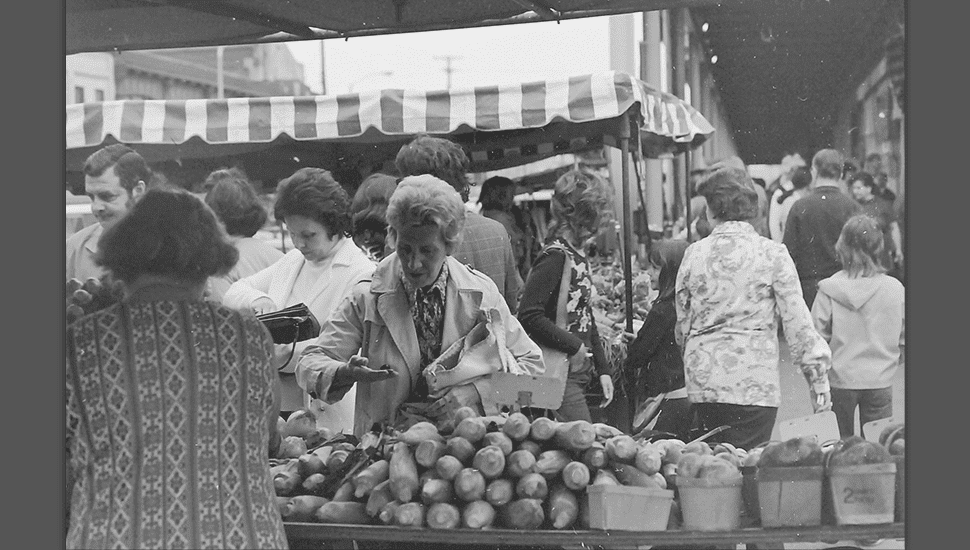
ByWard Market Square has long been a focal point for unique shops and open-air stalls. Visitors can find seasonal produce, fresh flowers, and handmade crafts by local artisans.
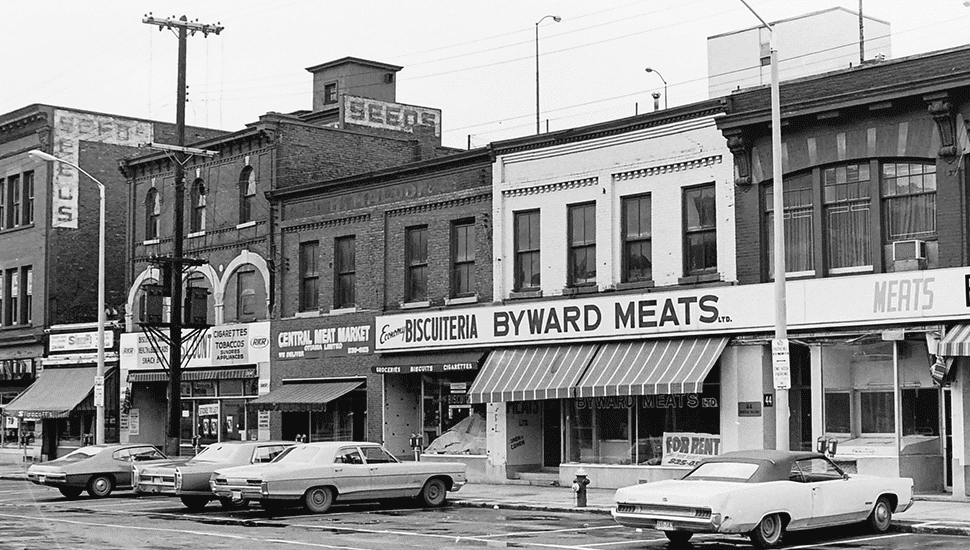
Vintage photographs of the market illustrate its long-standing tradition of commerce. The culture of buying and selling in this open-air market has been passed down through generations.
The central market building is a must-see. Visitors can admire the impressive papier-mâché sculpture, McClinton’s Dream, created in 1978. Suspended from the ceiling, the artwork depicts colorful market vendors from bygone eras.
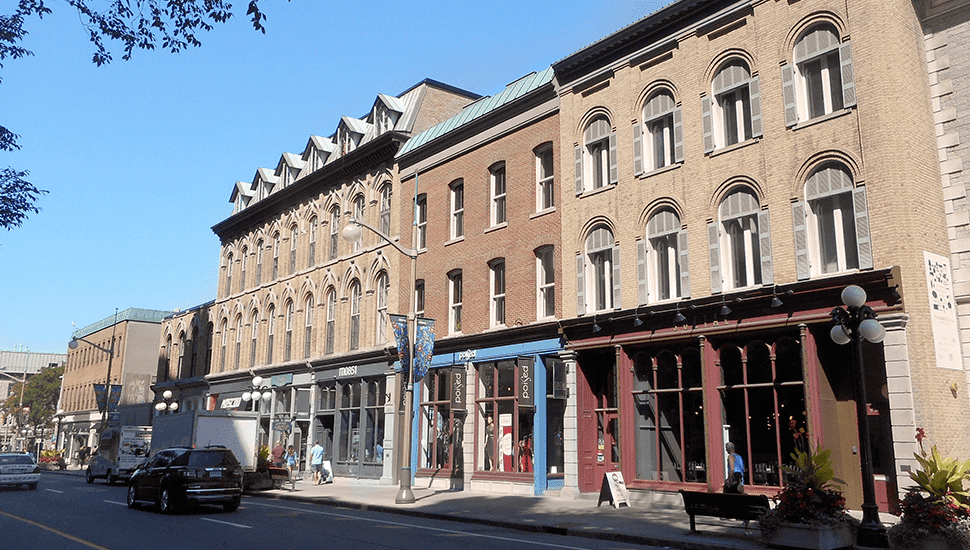
Evolution of ByWard Market
The market’s first structure, built in 1827, served as a center of commerce and a venue for political and religious gatherings. Over the years, its role expanded:
- In 1848, the Lower Town Market was built, featuring stalls on the ground floor and meeting spaces above.
- In 1865, architect Sidney B. Fripp designed a new building, which housed various industries, including bakeries, factories, and retail shops.
- In 1876, James Mather’s design brought the fourth market building to life, combining retail and industrial activities. It remained a thriving hub into the 20th century.
The market building suffered a fire in 1926 but was replaced by the current structure between George and York Streets. Later renovations added a parking garage and expanded commercial facilities.
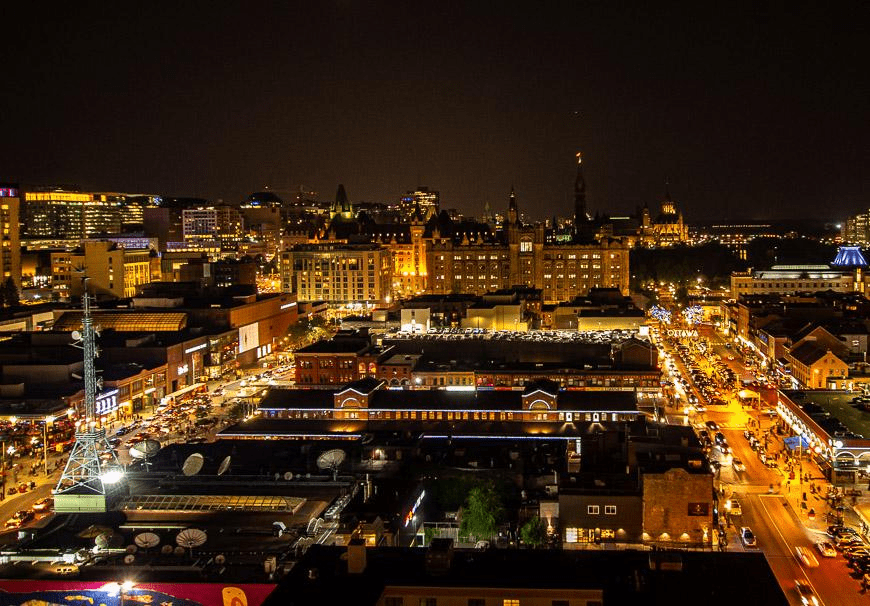
ByWard’s Night Market
Local entrepreneurs introduced a new tradition: the ByWard Night Market. Open from June to September, the market invites visitors to enjoy local delicacies and street food from 5:00 PM to 9:00 PM, adding a lively evening dynamic to this historic site.
Fun Facts About ByWard Market
- Canada’s Oldest Market: ByWard Market’s history dates back to 1826, making it the oldest farmer’s market in Canada.
- Origins Tied to the Rideau Canal: The market was established to support the construction of the canal.
- Architectural Diversity: The area showcases a mix of architectural styles, adding to its eclectic charm.
- Historic Bell: The market’s original bell still hangs at ByWard Market Square, inviting locals and tourists alike to join the festivities.
- Meat Inspector’s Office: A dedicated office for a meat inspector once operated within the market building.
- Vibrant Business Hub: ByWard Market continues to thrive, offering unique boutiques, restaurants, and cafés that appeal to both tourists and residents.
Preserving Tradition
Today, ByWard Market maintains its historic charm while embracing modernity. Visitors can explore the district, purchase fresh produce, and enjoy street performances while connecting with the market’s colorful vendors. The area’s enduring traditions and lively atmosphere make it a cherished part of Ottawa’s cultural and economic landscape.