

Corel is a Canadian technology corporation that evolved from a modest research lab in Ottawa into one of the most recognized software developers in the world. It was Corel that created the iconic graphic editor CorelDRAW, a tool that became essential for designers across the globe. Over the years, the company went toe-to-toe with tech giants like Microsoft and Adobe while navigating major industry shifts. In this article on ottawa1.one, we explore the history of Corel: the creation and rise of CorelDRAW, its fierce rivalries, the company’s highs and lows, its lasting impact on digital design, and its transformation into the modern corporate powerhouse Alludo.
Founding Cowpland’s Lab: How a Canadian Startup Became a 1990s Tech Giant
The corporation’s story began in 1985 when Dr. Michael Cowpland founded Corel. Few people realize that the brand name is an acronym derived from its original focus: COwpland REsearch Laboratory.
Initially, Michael Cowpland planned to develop desktop publishing systems for print layout built around Intel-powered computers. At the time, the desktop publishing market was just taking shape, and having high-quality software was critical to the success of the entire hardware platform.
However, the company quickly realized that creating a truly complete publishing suite required an in-house vector graphics engine. In 1987, Corel brought in programmers Michael Bouillon and Pat Beirne to engineer a dedicated vector illustration program. That decision became a defining turning point in the history of the Canadian corporation.
Thanks to an explosive debut and surging demand for its software, the business expanded rapidly. During the high-tech boom of the 1990s, Corel grew into Canada’s largest software developer. While originally established in Ontario, the company permanently rooted its headquarters in Ottawa in 2003.
The CorelDRAW Phenomenon: Windows 3.1 Triumph and Fierce Competition with Adobe Illustrator
The first version of CorelDRAW debuted in 1989. The market embraced the software enthusiastically, prompting Corel’s leadership to pivot the company’s entire focus toward graphic design software.
Its watershed moment arrived in 1992 with the launch of Microsoft Windows 3.1. Thanks to native support for TrueType outline fonts in Windows 3.1, CorelDRAW could utilize system fonts directly without relying on third-party utilities like Adobe Type Manager. This breakthrough transformed CorelDRAW into a powerful, genuinely professional graphic editor.
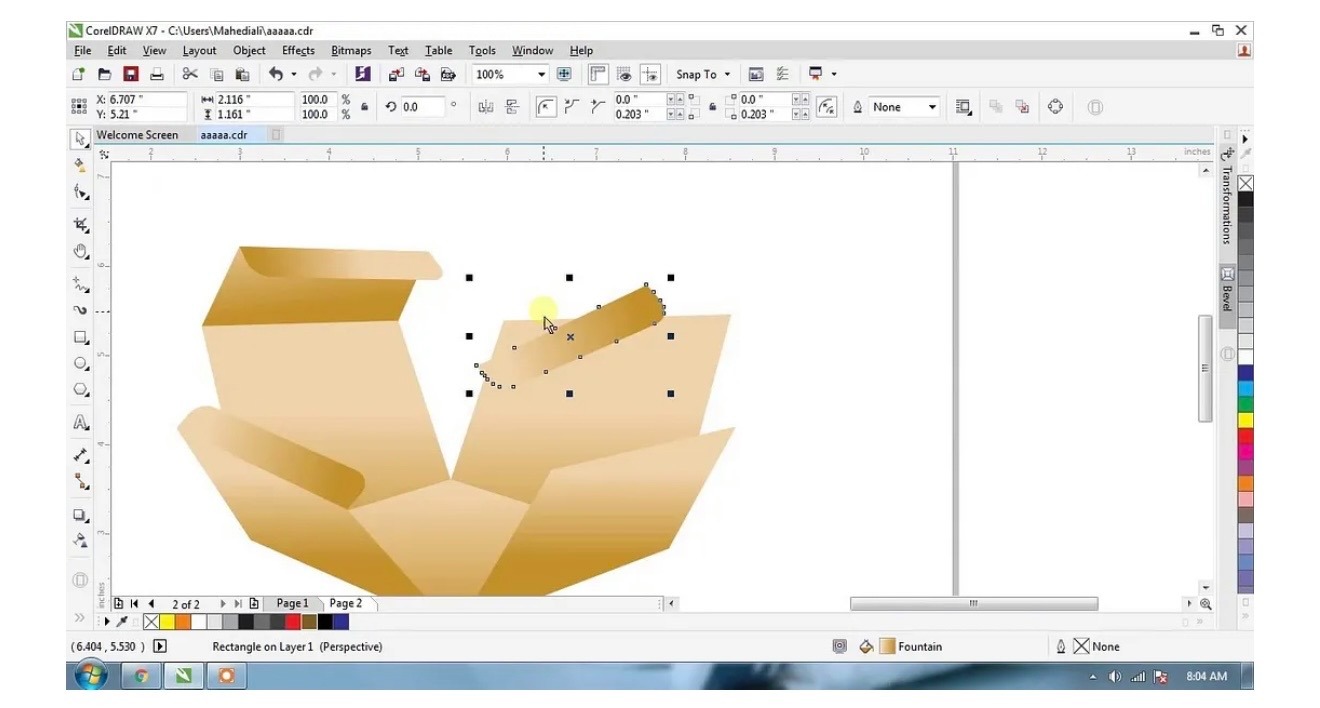
On May 15, 1992, the company released CorelDRAW 3.0, setting the standard for a complete Graphics Suite. The bundled package included:
- Corel PHOTO-PAINT: a specialized bitmap image editing tool;
- CorelSHOW: an application for designing multimedia presentations;
- CorelCHART: a dedicated tool for creating charts and data visualizations;
- CorelTRACE: a utility for converting raster images into vector formats;
- Mosaic: a visual cataloging tool for graphics files.
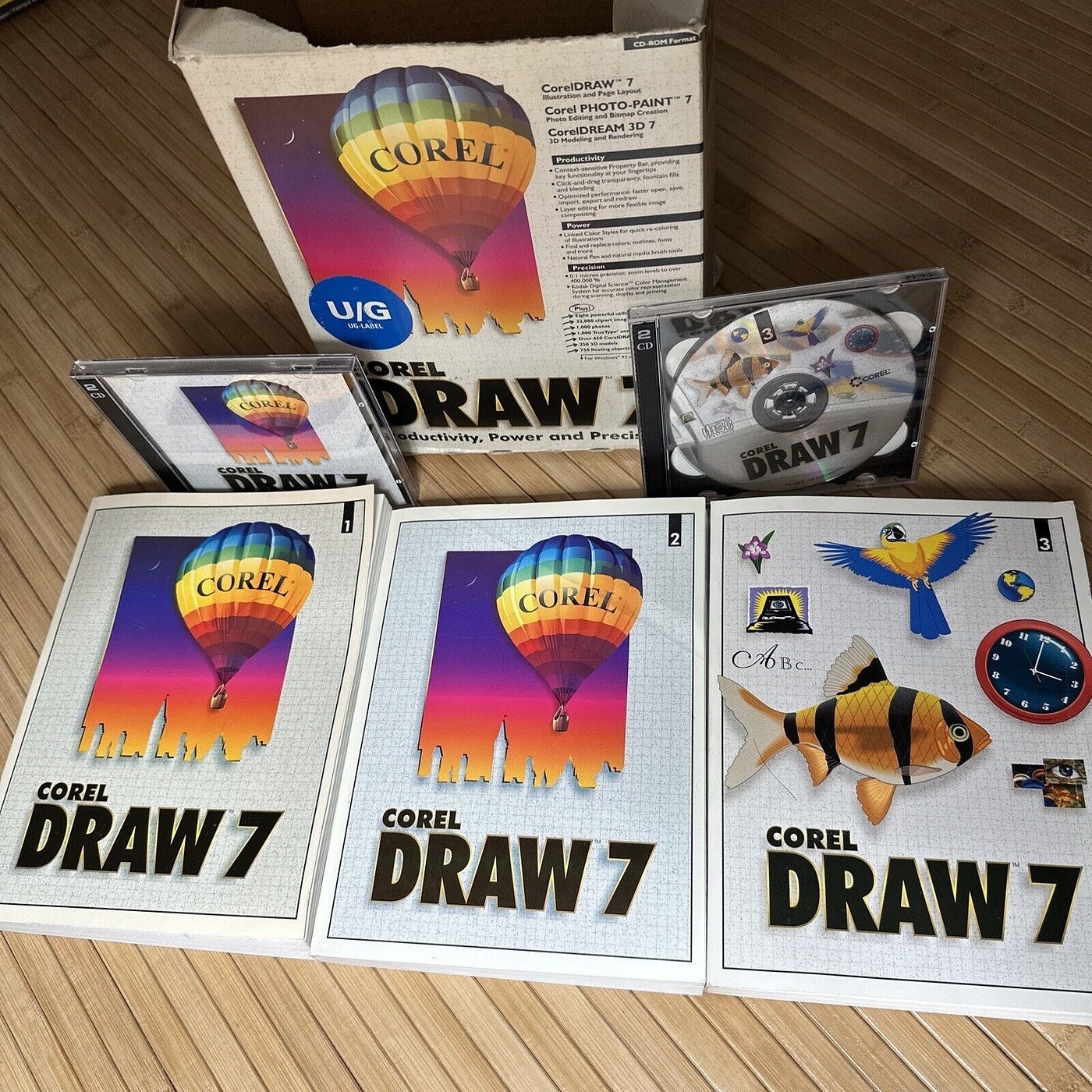
Over the following years, the company maintained a steady release cadence: CorelDRAW 7 arrived in October 1996, CorelDRAW 8 in October 1997, CorelDRAW 9 in August 1999, and CorelDRAW 10 in November 2000.
Yet despite sweeping the Windows market, attempts to make inroads into macOS fell short. Apple users proved loyal to their established ecosystem, sticking with Adobe Illustrator. The substantial costs of porting CorelDRAW to the Mac environment placed a significant strain on the company’s finances.
Showdown with Microsoft: The WordPerfect Acquisition, Financial Turmoil, and a Strategic Alliance
In 1996, Corel decided to look beyond computer graphics and challenge the undisputed king of office software—Microsoft Corporation. To make this move, Corel acquired the popular word processor WordPerfect from Novell.
Word秩序fect’s main competitive edge was cross-platform functionality: it operated smoothly across diverse operating systems, whereas Microsoft Office focused heavily on Windows. However, an all-out confrontation with Microsoft proved punishing. Corel suffered heavy losses and had to resort to sweeping layoffs. Company founder Michael Cowpland was subsequently accused of insider trading; following an investigation by the Ontario Securities Commission in 2000, he stepped down as head of Corel.
In search of fresh growth avenues, the company branched out into several experimental ventures:
- Video editing software solutions (Corel Video);
- A Java-based office productivity suite (Corel Barista);
- A custom operating system, Corel Linux.
In October 2000, Corel and Microsoft formed a strategic alliance, with Microsoft investing $135 million into the Canadian firm.
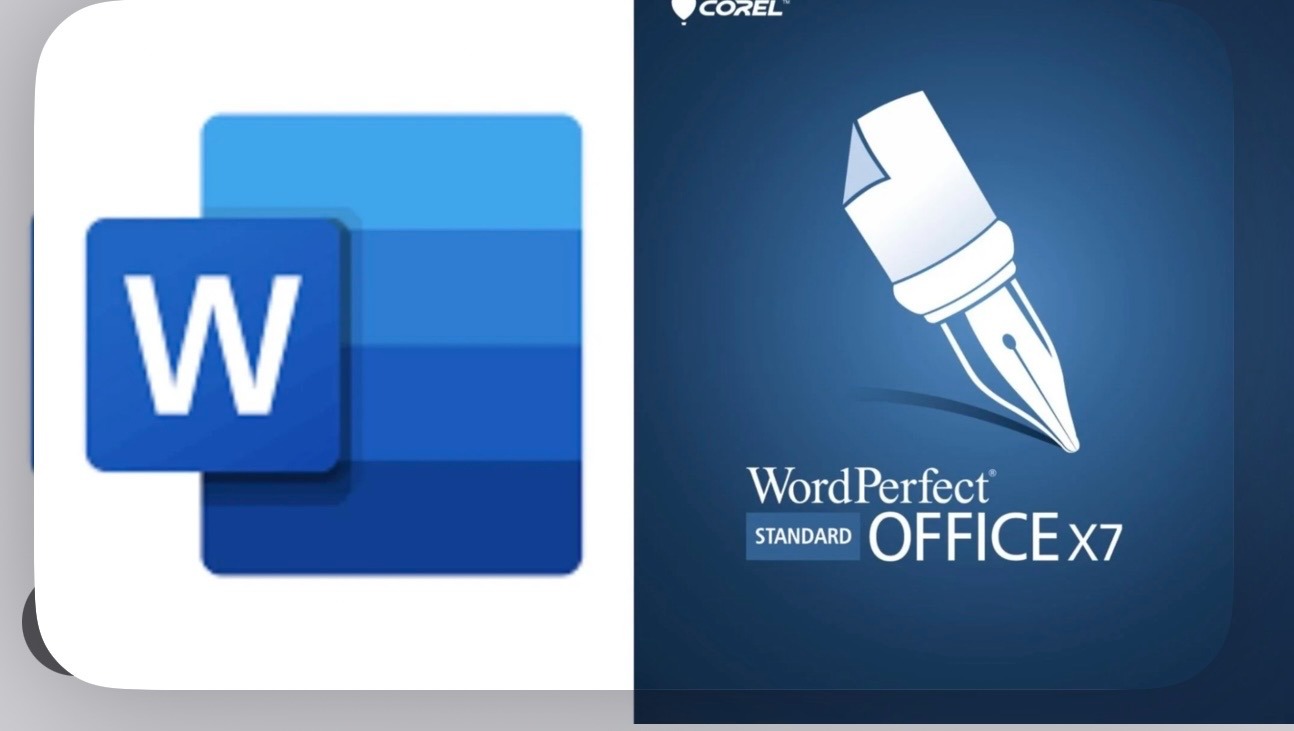
Despite fierce competition, WordPerfect held its ground across corporate and government sectors. In March 2005, the U.S. Department of Justice purchased 50,000 licenses of the program. A distribution agreement with PC giant Dell helped Corel’s office suite gain roughly 4 million new users every year. With its overall user base climbing to 20 million, WordPerfect stood as the only credible alternative to MS Office at the time, far outpacing Lotus SmartSuite (300,000 users) and StarOffice/OpenOffice (70,000 users).
An Aggressive M&A Strategy: Expanding the Ecosystem with WinZip, PaintShop Pro, and Parallels
To reduce its reliance on a single flagship and strengthen its foothold across multimedia markets, Corel launched an aggressive acquisition campaign in the early 2000s.
Corel’s key acquisitions unfolded across several milestones:
- 2001: Acquisition of Micrografx, widely recognized for its business graphics solutions;
- 2004: Purchase of Jasc Software, Inc., creator of the popular graphics editor PaintShop Pro;
- 2005: Acquisition of the rights to the legendary archiving software WinZip;
- 2006: Takeover of InterVideo and Ulead Systems, opening doors to video editing and digital media authoring;
- Later years: Acquisition of mind-mapping platform MindManager and virtualization solution Parallels, which lets users run Windows on Mac hardware.

Thanks to these strategic buyouts, Corel transformed from a single-application developer into a diversified software provider serving millions of users.
Financial Turnarounds: Vector Capital’s Restructuring and the Sale to KKR
Rapid expansion and market volatility eventually forced a major financial overhaul. In 2003, private equity firm Vector Capital acquired Corel for $97 million, taking the company private.
Under the stewardship of Vector Capital, the company thoroughly optimized its internal operations. Vector Capital later finalized a deal to sell Corel to global investment firm KKR (Kohlberg Kravis Roberts).
Alex Slusky, founder and Chief Investment Officer of Vector Capital, highlighted the outcome of the partnership:
“Corel was a cornerstone of the Vector Capital family for many years, and we are delighted to have delivered an exceptional outcome for our investors through this sale to KKR. Under Vector’s leadership, Corel completed several transformational acquisitions, accelerated its revenue growth, and materially expanded profitability. We are confident Corel has found an outstanding partner in KKR and wish the team continued success.”
The Rebirth as Alludo: The Vision Behind the Rebrand and the Future of Legacy Corel Apps
On September 13, 2022, Corel Corporation unveiled a sweeping rebrand, officially changing its corporate identity to Alludo. For millions of users, the move came as a surprise: the Corel name had spent decades as a household staple, tied closely to its flagship design suite and an expansive software catalog.
The new moniker is derived from the phrase “all you do.” Leadership explained that the rebrand was meant to reflect the company’s broader role in the modern market. Alludo positions itself not merely as a developer of individual tools, but as an international provider of complete digital solutions for productivity, ideation, and secure information sharing across modern devices.
Crucially, retiring the Corel name at the corporate tier did not signal the end of its classic products. Mirroring Google’s evolution into Alphabet or Facebook’s pivot to Meta, the restructuring applied strictly to the parent brand. The applications themselves continue to innovate under their established names.
The Alludo portfolio still centers around CorelDRAW, WordPerfect, WinZip, Parallels, and MindManager. The company embraced a forward-looking corporate identity while continuing to nurture the software brands that have earned the loyalty and trust of tens of millions of users worldwide.
Corel’s journey stands as a prime example of how an Ottawa-based project grew into an international powerhouse whose software shapes everyday workflows worldwide. Facing down intense rivalries with tech behemoths, shifting ownership, and financial storms, the company consistently proved its resilience. Reimagined as Alludo, the corporation continues to advance software development, effortlessly blending beloved graphic design staples with cutting-edge virtualization and productivity technology.