

Every city evolves over time, and Ottawa is no exception. These changes have led to the disappearance of many professions that were once an integral part of urban life. Ottawa1.one provides a historical overview of these vanished occupations.
Lumberjack
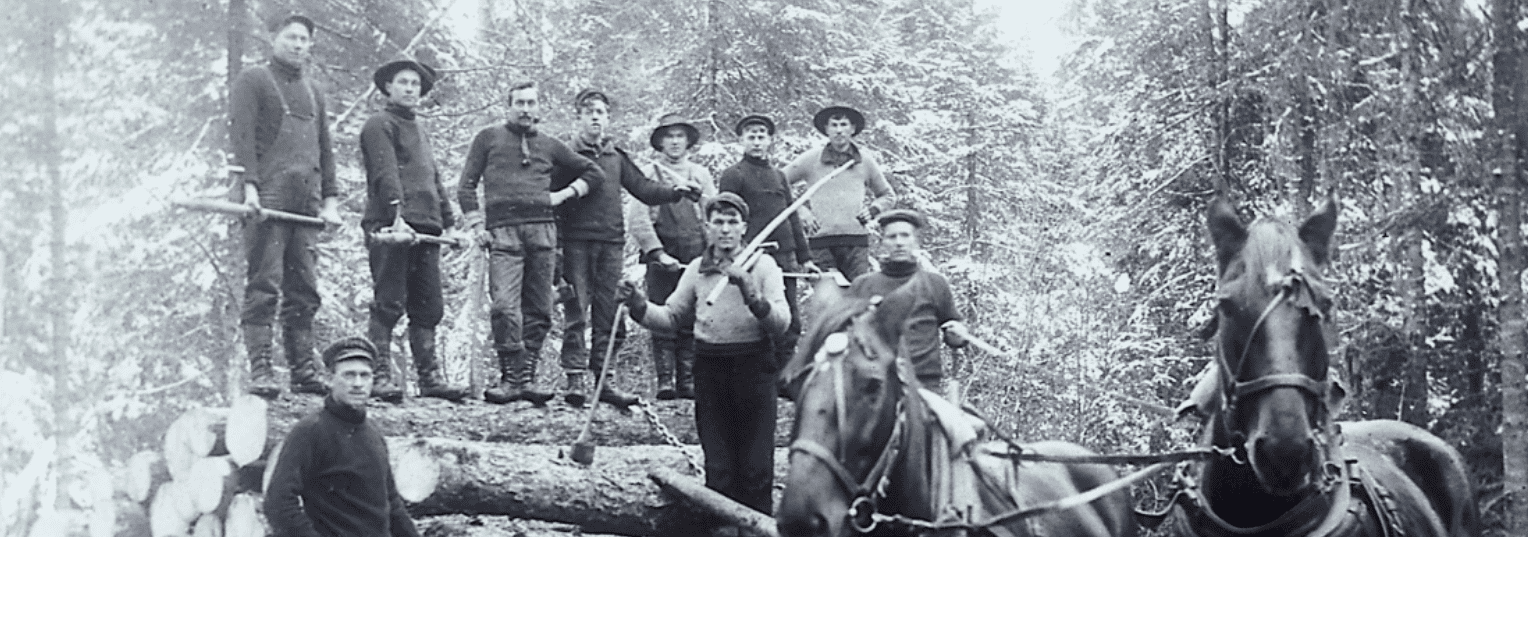
This profession played a crucial role in the history of Canada as a whole. In ancient times, men used stone axes and fire to fell trees. By the 18th century, the timber trade had grown and flourished, becoming the backbone of the country’s industrial economy. According to historical records, during the 19th century, half of Canada’s male workforce was employed as lumberjacks.
For example, in winter, firewood was the only source of heat, so boys and men were accustomed to this labor. The Ottawa-Gatineau region was an ideal location for white pine trees, and the Ottawa River was home to many lumberjacks, with logging camps and settlements along its banks.
Overall, lumberjacks led a nomadic lifestyle, enduring long and arduous journeys on foot. Their work was demanding, often requiring overtime, and was considered one of the most dangerous professions. They worked from sunrise to sunset, six days a week, frequently facing fatal accidents from falling trees or logs.
Interestingly, during World War II, women entered the forestry industry and were called “lumberjills.” This was part of a propaganda campaign encouraging women to contribute to the wartime economy.
Although the profession has not completely disappeared, it has evolved with new technologies and equipment. Logging is no longer as extensive in Ottawa as it once was, but it remains a significant industry in the region.
Cart and Carriage Driver
Cart drivers used to transport people and their cargo around the city using horse-drawn carts. In the past, horse-drawn carriages helped build Canada, but that era has long passed. Their “golden age” was in the 1800s, revolutionizing trade and personal transport. Driving a cart required fewer skills than riding a horse, making it a widely accessible profession.
Today, horse-drawn carriages can still be seen in places like Ottawa, Quebec City, and Niagara, but they are rare. Since 2013, the Canadian government has repeatedly declared its intent to phase out this practice. Animal rights activists, motorists, and city residents support this decision. While some drivers argue for preserving carriages due to their historical and cultural significance, the profession is largely obsolete.
Modern residents can visit the Canadian Museum of History and explore the exhibit Horse Power: The Carriage Collection of Paul Bienvenu. This exhibition offers a glimpse into the era of original carriages and proud drivers.
Ice Cutter
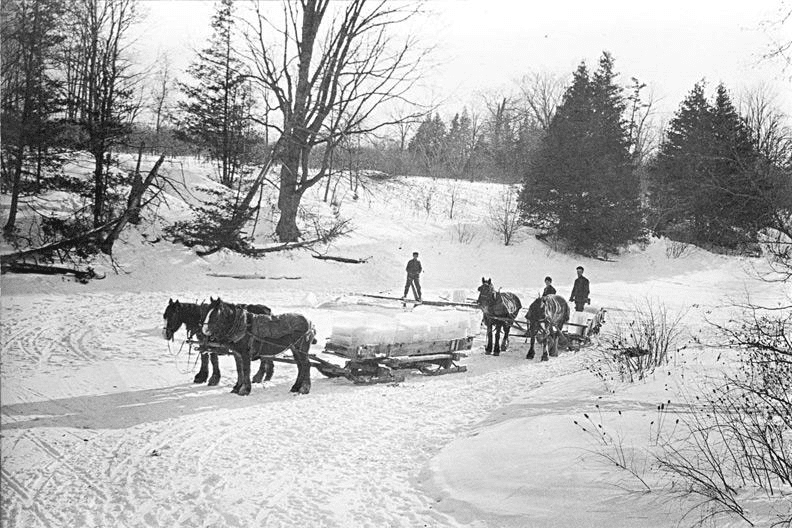
Ice cutters were workers who collected surface ice from lakes and rivers during winter, storing it in ice houses for year-round use. Ice cutters (or ice harvesters) sold ice blocks to Canadians, who used them for refrigeration. Workers in this profession used horse-drawn tools and hand saws to cut the ice.
Shoe Shiner
Shoe shining was once a widespread profession across Canada, including Ottawa. However, demand for shoe shiners declined due to changes in footwear styles and urban lifestyles. Sneakers and casual shoes became more popular, requiring less maintenance and polishing. Additionally, the fast-paced nature of modern life means people no longer spend time or money on regular shoe polishing.
Although rare, shoe shining still exists in high-end hotels and business districts where professionals require polished footwear. Independent cobbler workshops may also offer shoe shining services alongside repairs.
Hatter
Hatters were artisans who crafted hats to order. They were once a key part of Ottawa’s fashion industry. However, as factory production increased, demand for handcrafted hats sharply declined, leading to the near-total disappearance of this profession.
Blacksmith
Blacksmiths were craftsmen who forged and repaired tools, fences, horseshoes, and other metal goods. Technological advancements and mass production reduced the need for blacksmithing services, causing the profession to fade away.
Telephone Operator
Telephone operators manually connected calls before the advent of automated telephone exchanges, which rendered their role obsolete.
Milkman
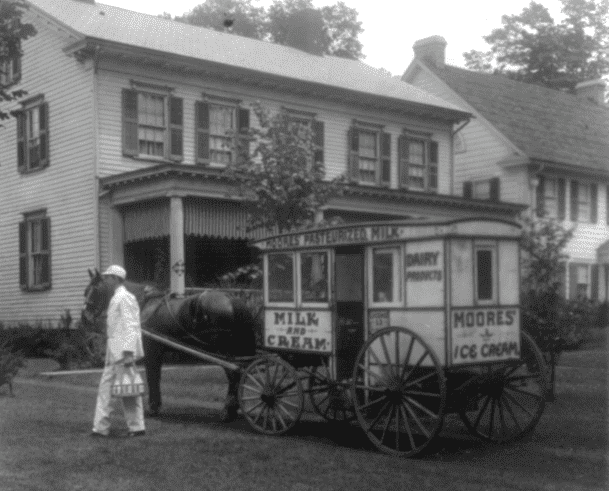
Milkmen used to personally deliver milk from farms to households in Ottawa. In the 1960s and 1970s, milkmen would stop at every house to leave four quarts of milk at the door. This profession has largely disappeared, though its legacy remains.
For instance, John DeMont, in his book A Good Day’s Work: In Pursuit of a Disappearing Canada, reflects on the role of milkmen and other vanishing occupations. His work prompts readers to consider which professions might disappear in the future, leaving only memories behind.
Completely Disappeared Professions in Ottawa
Some occupations have vanished entirely:
- Lamplighter: In the late 19th century, lamplighters walked the city streets, lighting and extinguishing gas lamps. Many Canadian literary works include passages describing the hard and essential work of lamplighters.
- Leech Collector: These workers harvested leeches from natural habitats for use in medical treatments. They often used animal legs or their own legs to attract leeches.
- Knocker-up: Until the 1920s, these human alarm clocks would wake people up by tapping on their windows or doors with a stick to ensure they didn’t oversleep for work.
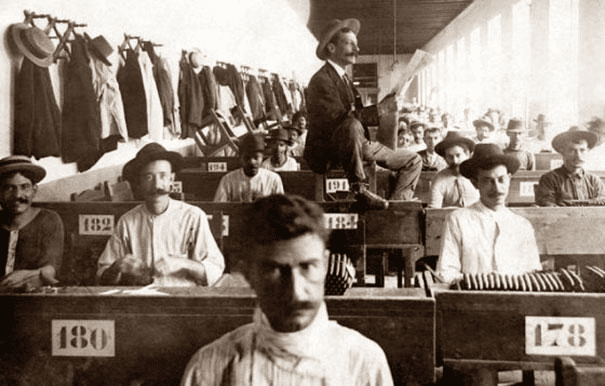
- Factory Reader: This person read books and newspapers aloud to workers to entertain them during their shifts.
Canadian Professions on the Verge of Extinction
In 2017, Statistics Canada, PopSugar, and the U.S. Bureau of Labor Statistics compiled a list of Canadian jobs at risk of disappearing.
- Postal Workers: With the rise of the internet and social media, the demand for postal services has drastically declined.
- Typists: The use of word-processing software has made professional typists almost redundant.
- Meter Readers: Workers who manually read utility meters are being replaced by automated meter readers.
- Insurance Underwriters: Demand for underwriters has decreased as insurance companies use software to calculate policy prices.
Reasons Why These Professions Disappeared in Ottawa
Several factors contributed to the disappearance of these jobs:
- Changing Social Norms and Values: For example, declining demand for hats led to the near-complete extinction of the hat-making profession.
- Economic Shifts: Changes in economic structures also contributed to the disappearance of certain jobs.
- Technological Progress: Innovations and digitalization have rendered many professions obsolete. For example, the introduction of electric lighting made lamplighters unnecessary.
The disappearance of these professions is not a negative trend but rather a reflection of societal evolution and the creation of new opportunities in Canada’s capital.