

Analyzing archival articles from the Citizen newspaper, it can be determined that in 1940, Ottawa had approximately 56 restaurants and cafés, including 23 Chinese restaurants. At the time, the local population was around 108,000 residents. Ottawa One explores the history of the city’s restaurants.
Features of Early Restaurants
Restaurants were a novelty in those days, sparking curiosity among Ottawa’s residents. Some establishments operated as part of hotels or boarding houses, while others were built as extensions of saloons, blending into Ottawa’s urban landscape.
In 1921, the Citizen published an article titled The Evolution of Dining Halls. According to the article, Ottawa’s first dining establishment was a house on Queen Street, founded in 1880 by Mrs. Sutton. However, other sources mention a tavern in the LeBreton Flats area, known as Mrs. Firth’s Tavern, which opened in 1819 and remained in operation until the 1860s. Photographs of the tavern have been preserved in Library and Archives Canada.
Interestingly, in the same year (1819), another establishment called Andrew’s Tavern opened near the St. Lawrence River, west of Brockville, Ontario.
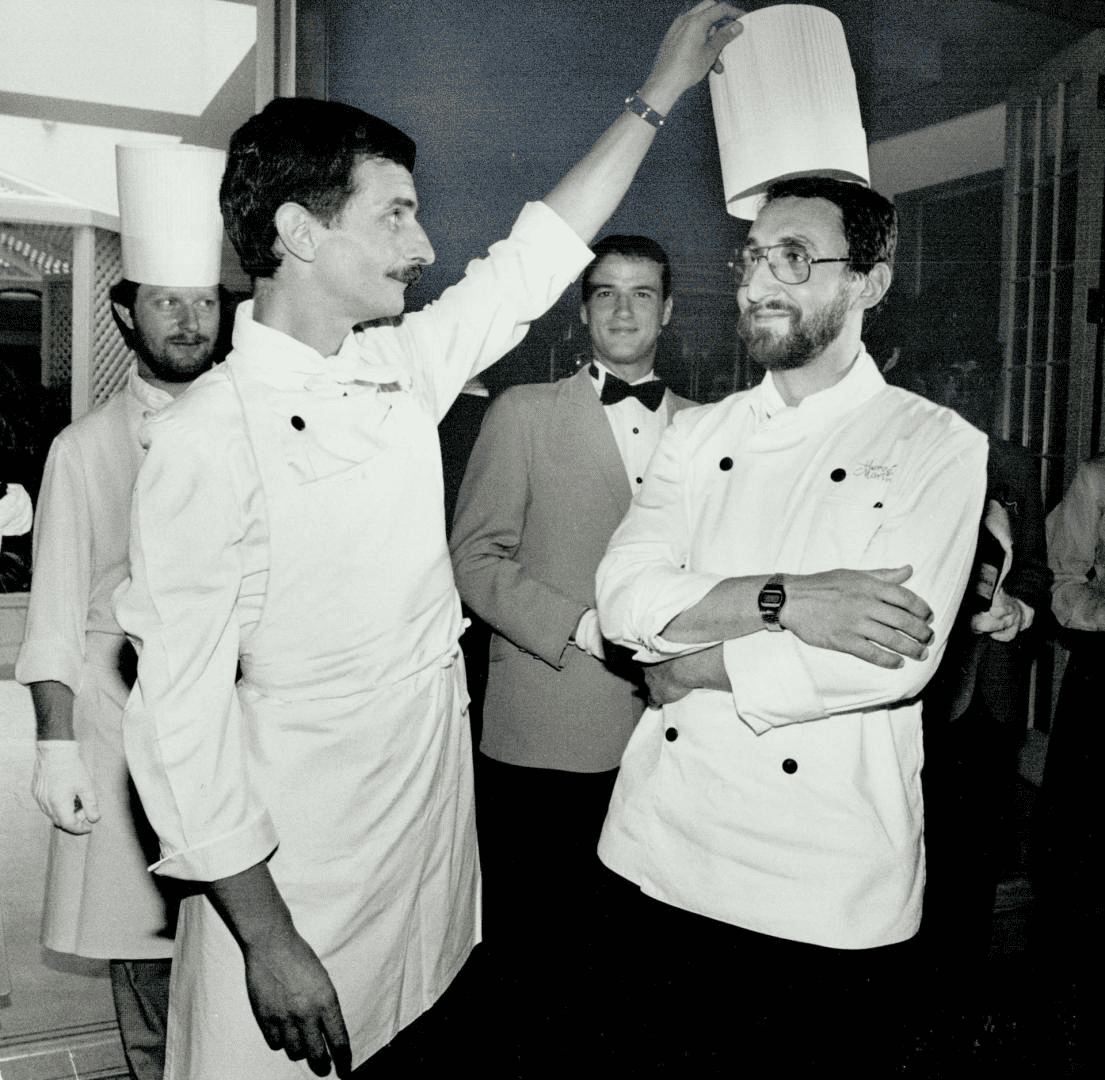
The Citizen article also credited an early pioneer of the traditional dining hall: an old man named George Bulger, described as a strict and skilled chef. He was recognized by his distinct attire—a linen shako (a type of hat) and apron—which became the signature uniform of his profession.
Beyond Ottawa’s restaurant history, readers may also find it intriguing to learn about the local cuisine enjoyed by residents in those days.
The History of Notable Openings
One of the earliest dining establishments was located on Metcalfe Street. In 1890, George Bulger opened a beanery where visitors could enjoy baked beans, eggs with bacon, and steak. Among his frequent customers were Members of Parliament, who would often stop by for a plate of beans after evening sessions.
Five years later, in 1895, Charles A. Bélier opened a more upscale restaurant at the corner of Metcalfe and Albert Streets. Bélier was a visionary who sought to bring the charm of Parisian cafés to Canada’s capital. However, the Parisian influence failed to take root, and the establishment closed in 1903.
That same year, another restaurant, Sherbrooke, opened at the intersection of O’Connor and Slater Streets. It attracted notable ministers and politicians.
One particularly unique establishment was the Boston Lunch on Sparks Street, which operated 24/7, much like the round-the-clock Chinese restaurants in Ottawa’s downtown core.
By 1910, high-end dining establishments in Ottawa began to decline. This shift was largely attributed to the rise of department stores, which started allocating space on their upper floors for modern cafeterias equipped with better facilities.
Chinese Restaurants
The Citizen highlighted several Chinese restaurants in its coverage of Ottawa’s dining scene. As residents began seeking new and unique dining experiences, improvised cafeterias no longer satisfied the needs of families and individual customers.
Notable Chinese restaurants included:
- Canada Chinese Lunch, which was the first to introduce private dining booths
- Chinese Lunch, which opened in September 1904 on O’Connor Street
- The Kettledrum on Sparks Street, Ottawa’s first tea room, founded by Miss Lindsay. This establishment catered to leisurely patrons willing to pay for a more refined dining experience.
Chinese restaurateurs continuously observed market trends and often emulated Canadian restaurant practices. According to contemporary reports, these establishments were primarily frequented by women and, less commonly, by childless couples.
Green Valley Restaurant
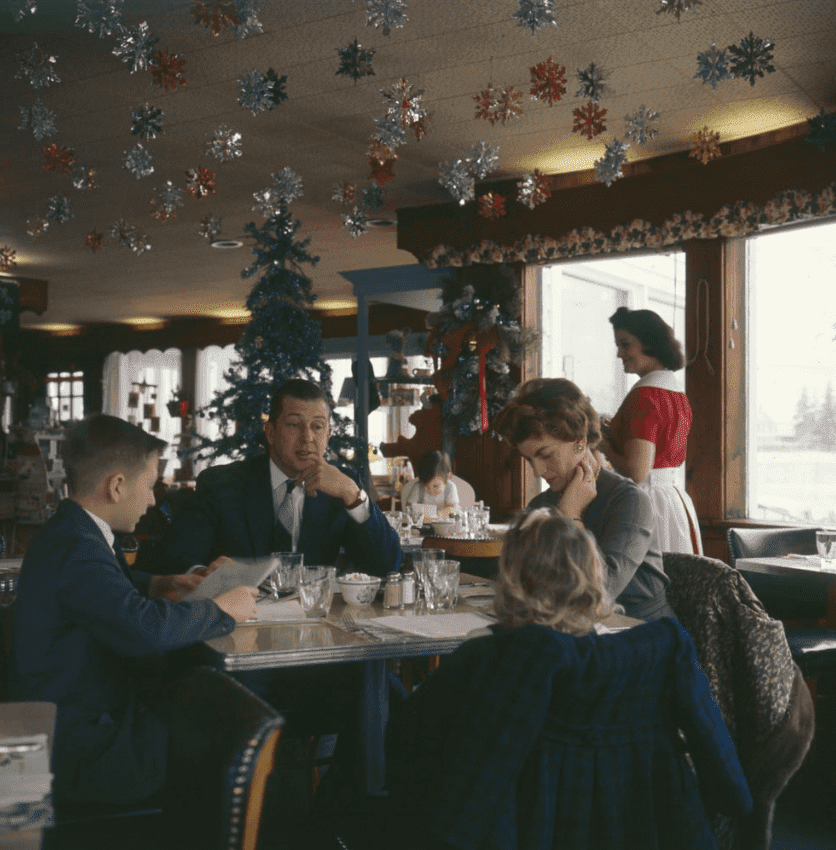
Historical photographs depict a family dining at Green Valley Restaurant in 1971, dressed in elegant attire to make an impression. This establishment holds a special place in Ottawa’s restaurant history.
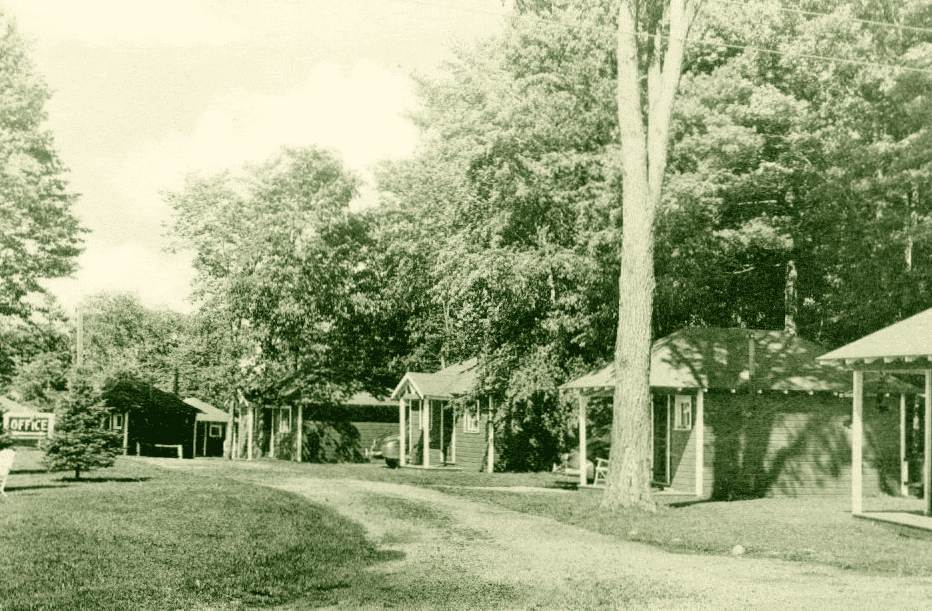
In 1933, Waldorf Stewart moved to a remote, wooded area along the old Prescott Highway near Ottawa. Initially, he built a toy house for his daughter, which quickly became a popular attraction for tourists and visitors. Recognizing the opportunity, Stewart expanded his venture by constructing additional cottages, eventually establishing Green Valley Tourist Court. Weary travelers could rent these cottages for rest and relaxation.
As his tourism business flourished, Stewart opened Green Valley Restaurant in 1947. Originally a modest eatery serving breakfast and dinner to cottage guests, the restaurant’s reputation for high-quality food soon spread.
To elevate the dining experience, Stewart hired a professional chef named Gustave, who had previously worked at Montreal’s prestigious Engineer’s Club. Under his guidance, Green Valley became one of Ottawa’s premier dining destinations.
The restaurant underwent three major expansions, eventually adding a souvenir shop called Then & Now Store. Children adored the Mickey Mouse dessert—an ice cream scoop with waffle ears and pistachio eyes. Many Ottawa residents fondly recall visiting the restaurant with their parents and grandparents.
The Empire
In 1956, Stewart expanded the restaurant further, adding a fine dining room called The Walnut Room. This section featured thick carpeting and walnut-paneled walls. At its peak, the restaurant employed 65 staff members.
By 1995, Green Valley seemed frozen in time, retaining its 1955 aesthetic. Employees even wore the original uniforms from decades past. However, as new restaurants and trendy dining spots emerged in Ottawa, Green Valley faded into obscurity.
In 2016, writer Andrew King reported that the restaurant had mysteriously burned down. The charred remains were later bulldozed, and the once-beloved dining establishment was replaced by an unremarkable parking lot at the corner of Prince of Wales Drive and Baseline Road.
The End of an Era
In 2019, the oldest Chinese restaurant in Brockville closed its doors after nearly 90 years in business. Established in 1930, the New York Restaurant had served politicians, writers, and local residents for generations. According to the Brockville Museum, notable patrons included hockey legend Wayne Gretzky, author Pierre Berton, and former U.S. Vice President Walter Mondale.
On Christmas Eve 2019, the restaurant served its final customers. Owners Alice and Louie Young expressed mixed emotions, stating that they missed their family and grown children. The couple had taken over the restaurant in 2005, and while the decision to close was bittersweet, they felt it was time.
The original founders, Leap and Agnes Lor, had six children (one son and five daughters). Initially, New York Restaurant served only North American cuisine, as it was believed that customers wouldn’t embrace authentic Chinese dishes. However, in the late 1930s and early 1940s, the Lors took a risk by introducing Chinese specialties, including chop suey—one of the first Chinese dishes tasted by Ottawa residents.
For the Lor family, the restaurant was a continuation of their entrepreneurial legacy: the first generation had opened a laundry business, while the second ventured into the restaurant industry.
In interviews, former customers emphasized the unique sense of community in small-town dining. In such establishments, patrons weren’t just customers—they were family. Perhaps this is why the closure of New York Restaurant was particularly difficult for Ottawa residents.
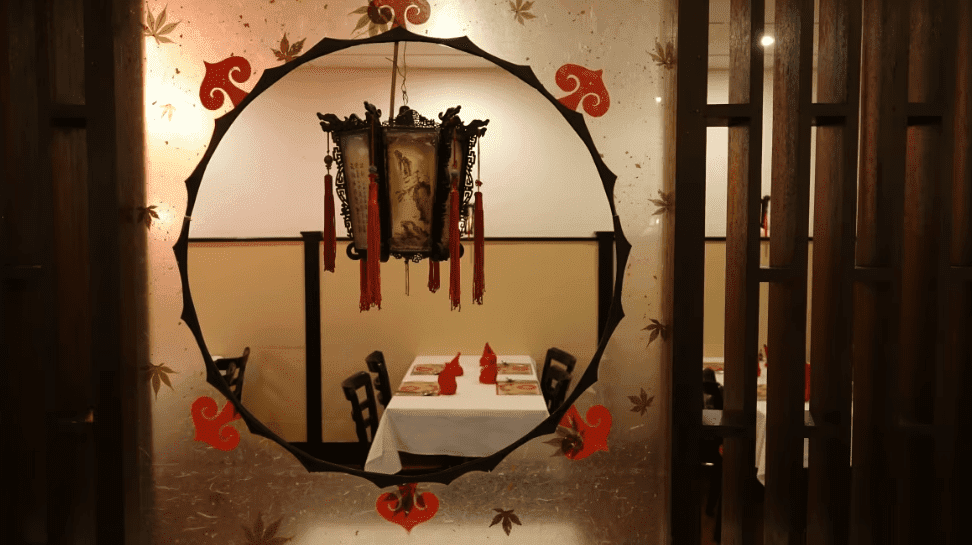
Thus, the history of Ottawa’s restaurants is a blend of nostalgia, innovation, and change. Some establishments survive only in archival photographs, others live on in the memories of past visitors, while some have vanished without a trace.
Sources