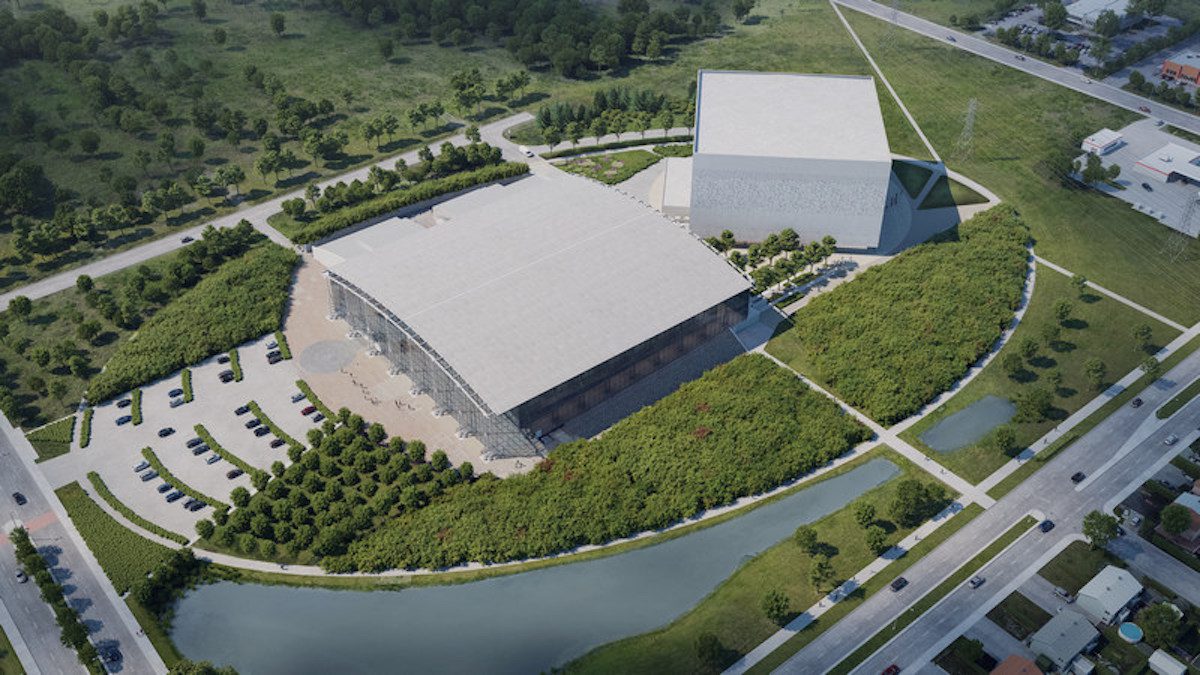
This is a special place, a federal institution whose primary purpose is to acquire, preserve, and provide access to Canada’s documentary heritage. You can learn more about the rich history of Library and Archives Canada in Ottawa (or LAC for short) from ottawa1.one.
History
LAC’s history dates back to the Dominion Archives, founded in 1872, and the National Library of Canada, established in 1953. The Dominion Archives was originally a division of the Department of Agriculture, tasked with acquiring and transcribing documents related to Canadian history.
In 1912, the Dominion Archives was renamed the Public Archives of Canada. It became an autonomous organization that managed government records on all types of media. By 1987, it was known as the National Archives of Canada.
The National Library of Canada was founded in 1953, thanks in large part to Freda Farrell Waldon, a Canadian librarian and the first president of the Canadian Library Association.
In 2004, the two institutions—the National Archives and the National Library of Canada—merged to create Library and Archives Canada. The initiative was led by Roch Carrier and Ian Wilson, who recognized the time had come to unite these resources for all Canadians, especially as the traditional boundaries between archives and libraries were becoming blurred. In July of that year, Ian Wilson was appointed as the Chief Librarian and Archivist of Canada.
Features of LAC’s Work
There are several interesting facts to highlight about LAC’s operations.
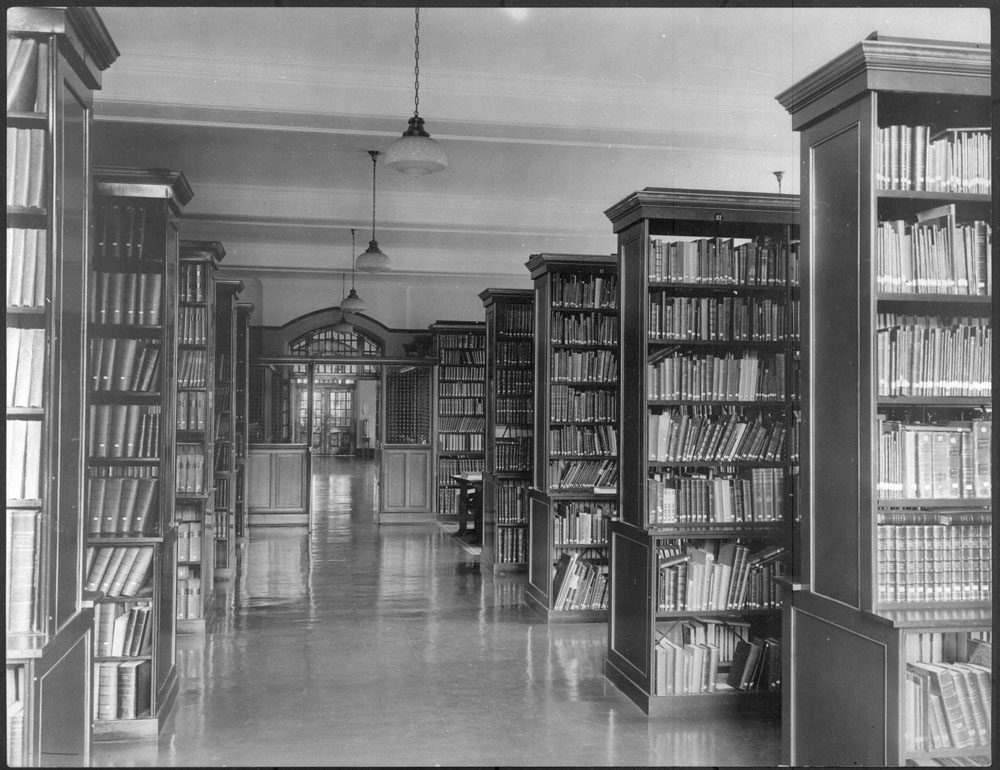
- The National Library and Archives is the sixteenth-largest library in the world, with a staff of over 1,100 people. The institution holds millions of invaluable records: 19 million books, periodicals, literary manuscripts, and newspapers, over 21 million photographs, and 350,000 works of art, film, sound, and video recordings.
- LAC reports to the Parliament of Canada through the Minister of Canadian Heritage, who is a Minister of the Crown. This Minister is responsible for the Department of Canadian Heritage and Parks Canada. The main mandates of LAC include preserving Canada’s documentary heritage, providing access to knowledge, promoting Canada’s cultural, social, and economic development as a free and democratic society, fostering cooperation between Canadian communities, and maintaining records of the government and its institutions. The institution supports effective record-keeping practices to ensure full transparency and accountability.
- Library and Archives Canada aims to continue the duties of its two founding institutions. They use the latest communication and information technologies, including online tools, to expand public access to the country’s library and archival holdings. The AMICUS library catalogue is a database with digital records from over 350 Canadian libraries.
- The Librarian and Archivist of Canada holds the same rank as a Deputy Minister of a federal department and is appointed for a four-year term. Leslie Weir was appointed to the role on May 27, 2019, becoming the first woman to hold the position. Her term was later extended for another four years to ensure continuity in major building projects. It’s worth noting that Leslie Weir was one of the founders of the Scholars Portal and a former president of the Canadian Association of Research Libraries. From 2003 to 2018, Leslie Weir served as the University of Ottawa’s librarian.
Canada’s Past and Present History
Library and Archives Canada (LAC) helps Canadians understand who they really are. The institution serves as a reminder of the federal government and its institutions, safeguarding Canada’s distant past and recent history. Residents of Ottawa will be intrigued to dive into this special world. By the way, if you can’t visit LAC in person, online collections are available.
LAC’s collections include:
- Archival records (mostly government) and private archives.
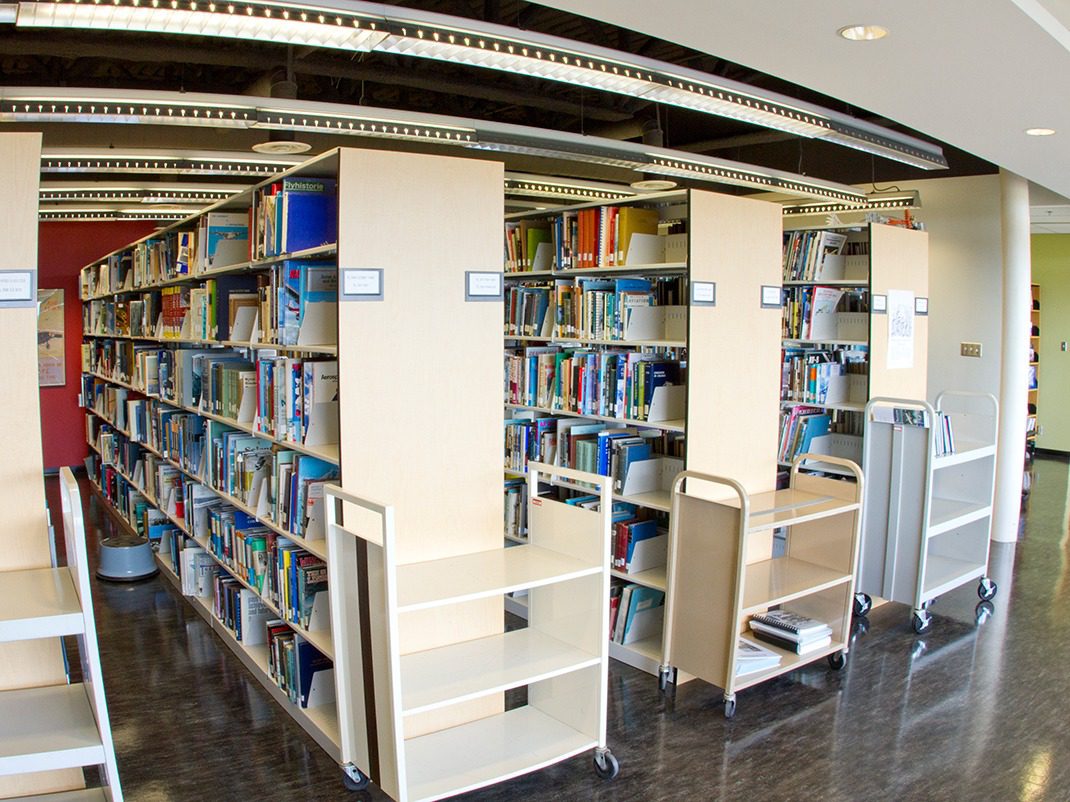
- Publications: books, periodicals, newspapers, maps, sheet music, and government publications.
- Reference collection: general reference works, finding aids for archival materials, contact card images, city directories, telephone books, statutes, and regulations.
- Genealogy collection: reference works, family histories, indexes to cemeteries, newspapers, church records, and specialized databases.
- The Jacob M. Lowy Collection: Judaica and Hebraica published between the 15th and 20th centuries.
How to Prepare for Your Visit
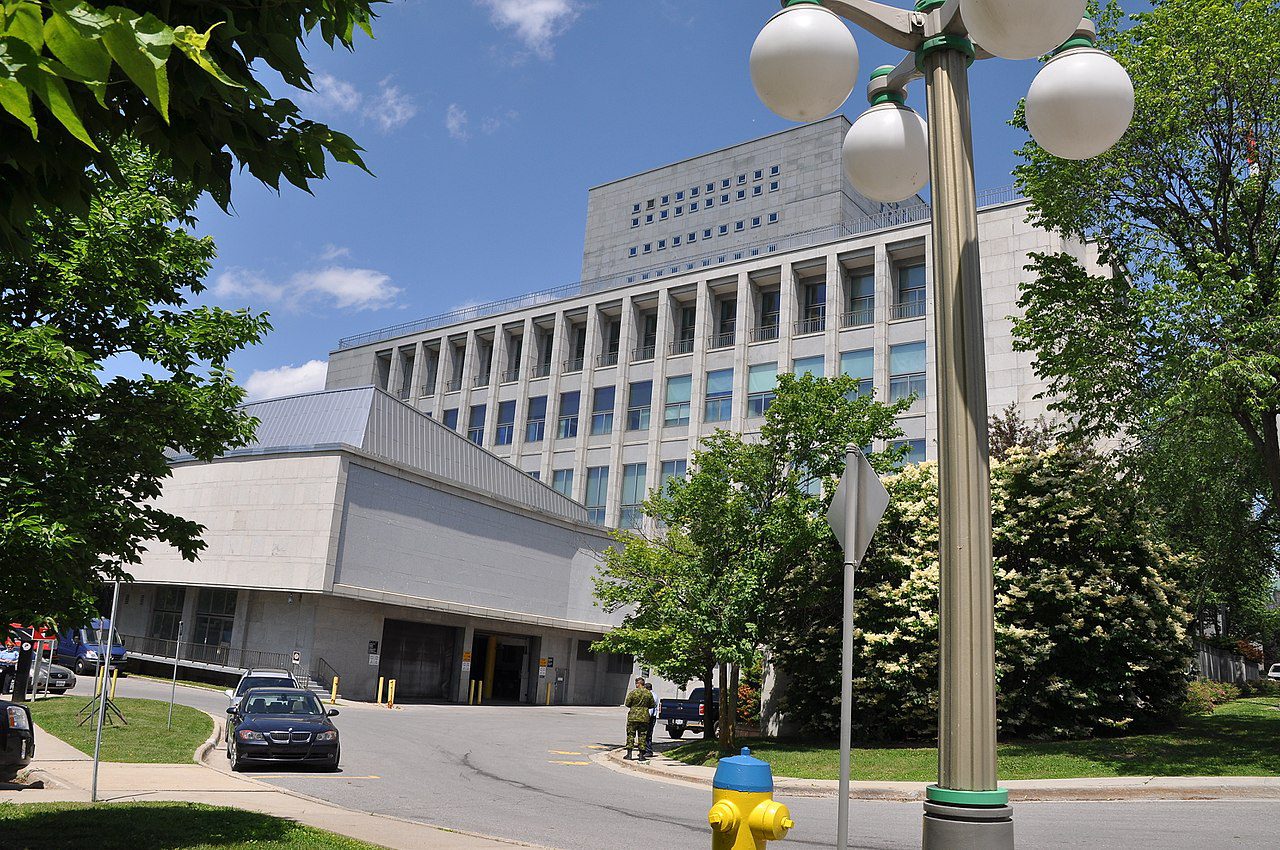
Library and Archives Canada is located in the former National Library and National Archives buildings near Parliament Hill at 395 Wellington Street. There is paid parking on the west side of the building, and metered street parking is available nearby.
Ottawa residents should bring their user card and a form of personal ID. Upon entering, check in at the commissioner’s desk on the first floor. Personal belongings such as coats, briefcases, bags, food and drinks, and umbrellas must be stored in a locker. Laptops, mobile phones, and cameras are permitted in public areas after you fill out a self-photography application. You can also bring research materials, pencils, and paper (pens are not allowed at LAC).
On the first floor, you’ll find the lobby and the commissioner’s desk for general information. Visitors can also access the exhibition hall, which is open from 9:00 AM to 5:00 PM. Here, you can view exhibits that introduce you to Canada’s history and cultural heritage. Lockers for personal belongings are also located on this floor to ensure a safe and orderly environment.
The second floor features an orientation desk to help visitors navigate the library and archives. You can get advice on resources and obtain passes to access collections and services. The second floor also houses the reference room, the Lowy Collection, and the Pellan Room. These specialized collections may contain rare books, manuscripts, and artifacts that visitors can explore in more detail.
The third floor is home to the Genealogy Room, which is packed with resources for researching your family tree and genealogical data. There’s a dedicated room for individual consultations with archivists and librarians, as well as lockers for documents. You’ll also find a room for viewing restricted access documents, a microform consultation room, and a special collections room. Also on the third floor is the innovative DgiLab space, designed for digitizing and preserving access to digital resources.
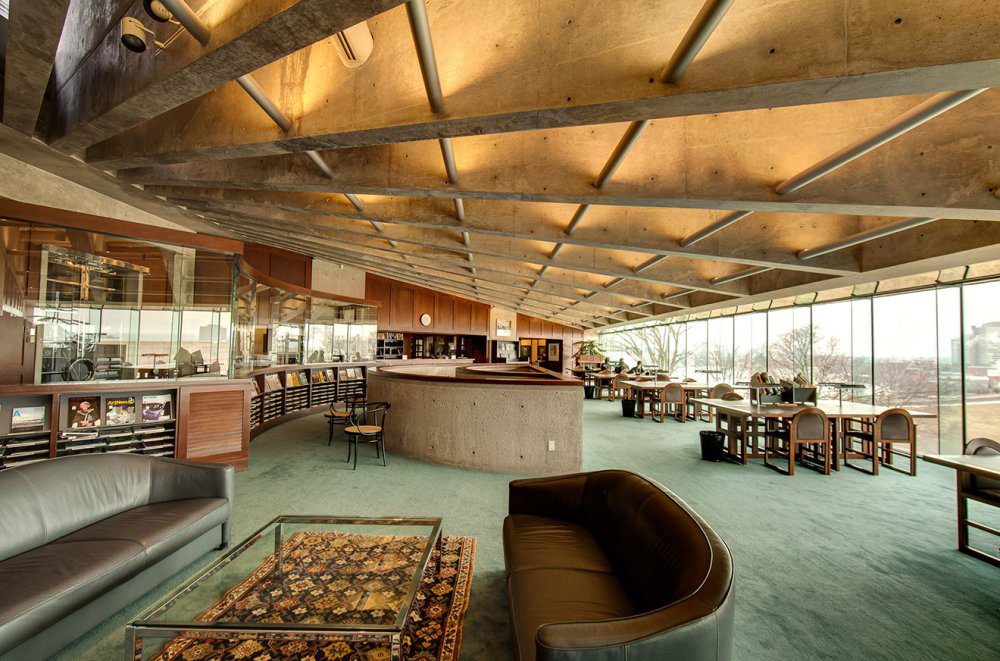
Ādisōke
This is an ambitious joint-building project. Since 2016, Library and Archives Canada has partnered with the Ottawa Public Library to bring Ādisōke to life. Located at 555 Albert Street in the heart of the capital, Ādisōke will house the extensive resources of both a public library and a national memory institution under one roof.

A Multifunctional Institution
Library and Archives Canada is truly a multifunctional institution. LAC combines the traditional functions of a library and an archive with innovative technologies. The range of services is quite wide, from standard access to books and documents to specialized genealogical research. The structure of the institution is well-organized, ensuring that every visit is as convenient as possible for visitors with diverse needs.