This institution holds a significant place in history, having been established in 1869 by a local lumber baron. How has the institution evolved over time? What transformations has it undergone? Ottawa One delves into the details.
Early History
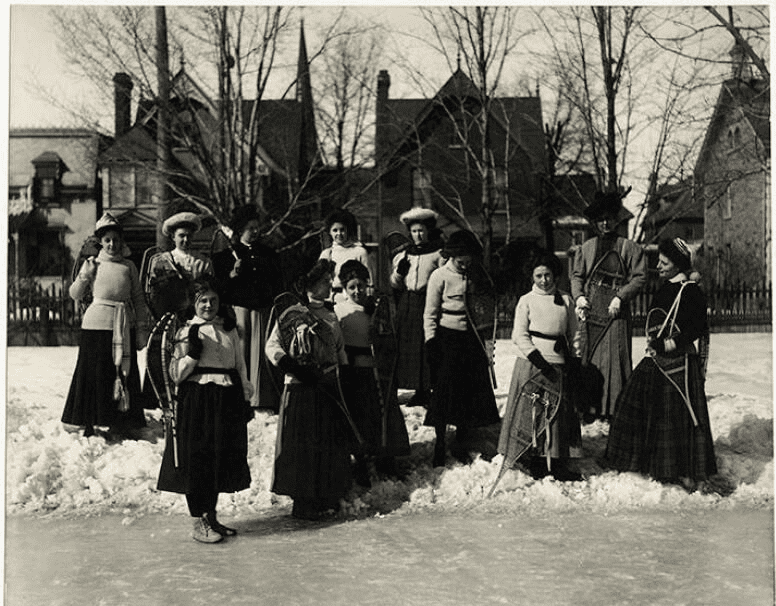
Initially, this was a Presbyterian women’s college founded by Henry Franklin Bronson, later renamed Ottawa Ladies’ College. The institution’s mission was to provide educational services to young girls from the first grade through to the collegiate level.
At the Ladies’ College, students were taught:
- Presbyterianism—A branch of Protestantism emphasizing the organizational structure of the church, led by elders and community leaders;
- Science;
- Athletics;
- Equestrian courses;
- Pantomime courses;
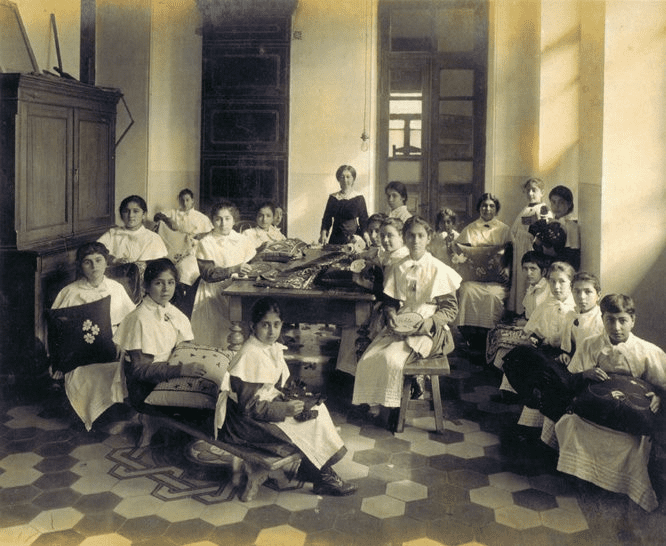
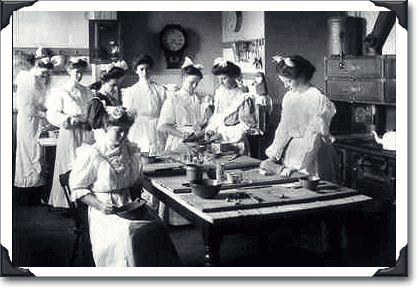
- Domestic sciences, including needlework, sewing, and household arts (practical culinary skills).
Upon opening in 1869, enrollment quickly exceeded 100 students, leading to a shortage of classroom space. This prompted fundraising efforts to construct a larger facility.
Ottawa Ladies’ College
In 1977, the institution became known as Ontario Heritage Trust. However, before that transition, a significant fundraising campaign enabled the construction of a new women’s college at 268 First Avenue in the Glebe district.
For such an ambitious project, renowned local architect Allan Keefer was enlisted in 1912. His previous work had brought him considerable success, including:
- Commercial buildings on Sparks Street;
- Grand private residences in Rockcliffe Park;
- The reconstruction of the Central Block following the 1916 fire.
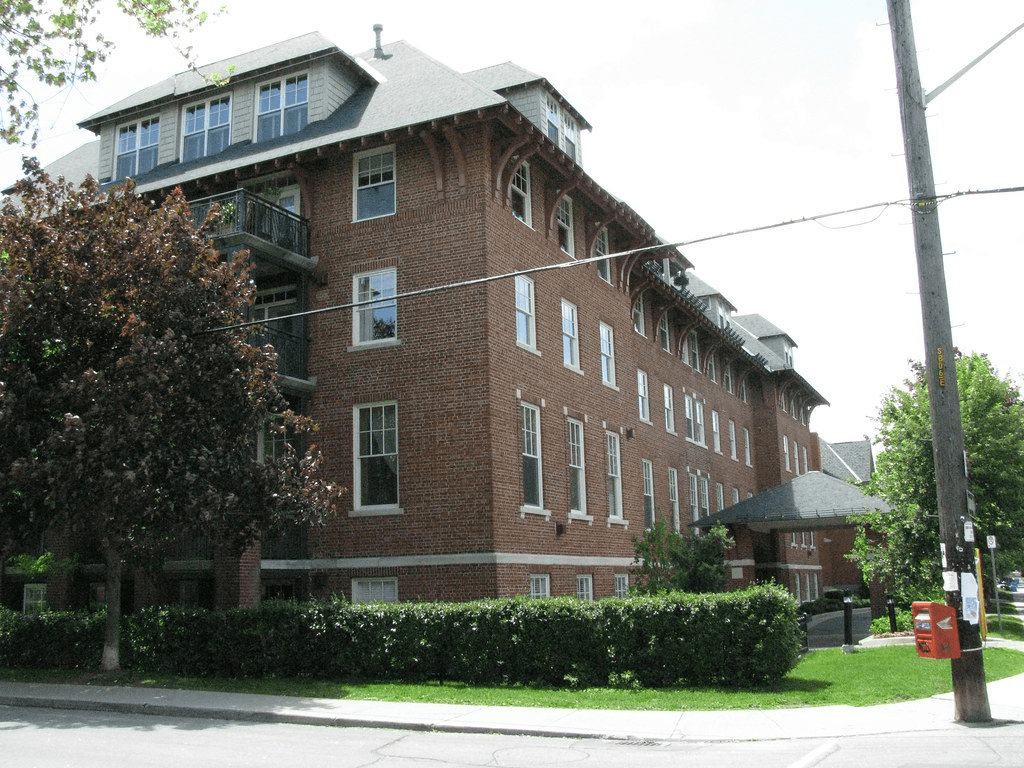
Keefer designed Ottawa Ladies’ College in the Edwardian classical style, characterized by steel structures clad in red brick, symmetrical stone details, and decorative bands. The lower floors had a more residential feel to reflect the boarding school aspect of the institution.
Visible features included dormer windows and two pavilions, which became familiar landmarks in the city.
What Was Education Like at the Ladies’ College?
Research into girls’ education during that period highlights their unequal standing in society.
Before the 1850s, families hired governesses and tutors for home education. However, after the establishment of free public schools in 1871, the number of girls enrolled in school in Ontario began approaching that of boys.
Curricula for girls primarily focused on domestic sciences, art, and refinement. Many were trained to become schoolteachers—one of the few career opportunities available to women at the time.
Women were also paid significantly less than men, reinforcing their secondary status in society.
By the 1840s, music had become an essential part of girls’ education in Ottawa. Most ladies’ colleges included music in their programs, and some even established separate departments dedicated exclusively to the subject. At Ottawa Ladies’ College, for instance, Edward Fisher served as the music director. Access to women’s colleges encouraged female students to excel in their fields, though initial admission required approval from notable educators.
The Glebe District at the Start of Construction
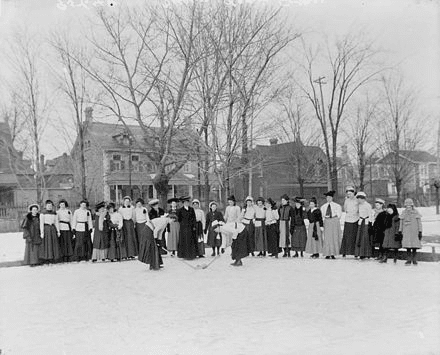
At the time, the Glebe was not densely populated. Large land holdings remained within influential families, passing down through generations. The district was somewhat isolated, bordered by the Rideau Canal, the Canada Atlantic Railway, and Bronson Avenue. Over time, residents demanded local churches, schools, and commercial enterprises.
By the early 1900s, Ottawa’s population had surged, and the Glebe experienced a significant construction boom:
- 1895: Mutchmor Public School was built;
- 1898: First Avenue Public School was established;
- 1922: Construction of the collegiate school was completed;
- 1926: Corpus Christi School was built;
- 1929: The Ottawa High School of Commerce was founded.
Post-War Changes in the Ladies’ College
The college underwent several changes over the years. Until World War II, it remained a women’s institution. However, in 1942, it was repurposed as a barracks for members of the Canadian Women’s Army Corps, a role it maintained until the war ended.
After 1945, Carleton College (later Carleton University) expressed interest in the property. By 1947, the institution moved in, adding a library extension that changed its original T-shaped structure into an H-shaped layout. The building housed classes for returning war veterans until 1960.
In 1963, the Ottawa-Carleton District School Board purchased the former Ladies’ College, converting it into office space—the first major redevelopment project on First Avenue, 268.
Preserving the City’s Heritage
The City of Ottawa designated the building under the Ontario Heritage Act, ensuring its historical value would be preserved despite changes in ownership. The legislation protected the structure’s exterior but did not extend to later library additions, which were renovated.
A redevelopment plan was publicly presented to ensure community engagement. Barry Hobin Architects joined the project, marking the end of the building’s association with its educational and historical legacy, including its ties to women’s participation in Ottawa’s military history.
A Successful Project
Symbolically, the building’s new purpose mirrored its original function. By 2000, extensive renovations transformed it into a condominium complex. The development included 54 luxury apartments, all quickly occupied.
Heritage preservation experts expressed concern over modifications such as added balconies and dormer windows, as outlined in the updated plan.
The Fate of Ottawa Ladies’ College in the Past
In 2001, developers Rutberna and Hobin were recognized for their contributions to heritage preservation. The modifications to the original building did not diminish its historical value. By repurposing the space into condominiums, the project maintained a connection to its boarding school roots.
It is worth noting that not all schools built in the Glebe during the early demographic boom were as fortunate. Many faced closure or demolition.
Experts attribute the successful adaptation of the former Ottawa Ladies’ College to its prime location. Approximately 72.2% of Glebe residents hold a bachelor’s degree or higher, and unemployment rates in the area are significantly lower than the Ottawa average.
Most residents of the Glebe do not experience financial hardship. Although the Ottawa Ladies’ College building has undergone many changes, its history remains rich and diverse. Despite various interventions, including the addition of a library wing, the structure has endured and continues to be a valuable part of the city’s heritage.