

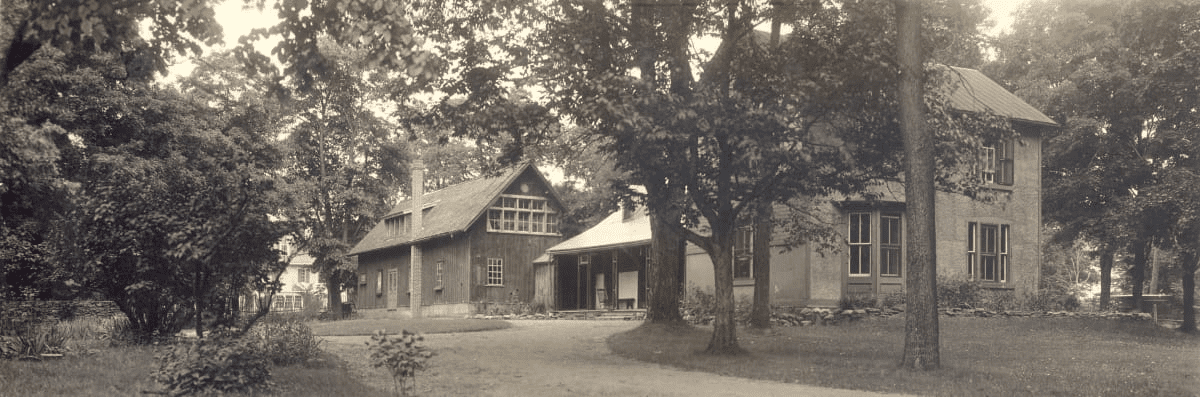
The history of this institution dates back to 1915 when its primary focus was business, and the number of students was extremely small (only four students aged 4 to 7). Despite this, the school’s first founder and principal had significant educational ambitions, believing that discipline and teaching should align with modern methods. More about the history of the establishment of this private day school for girls is detailed on ottawa1.one.
Establishment of Elmwood School
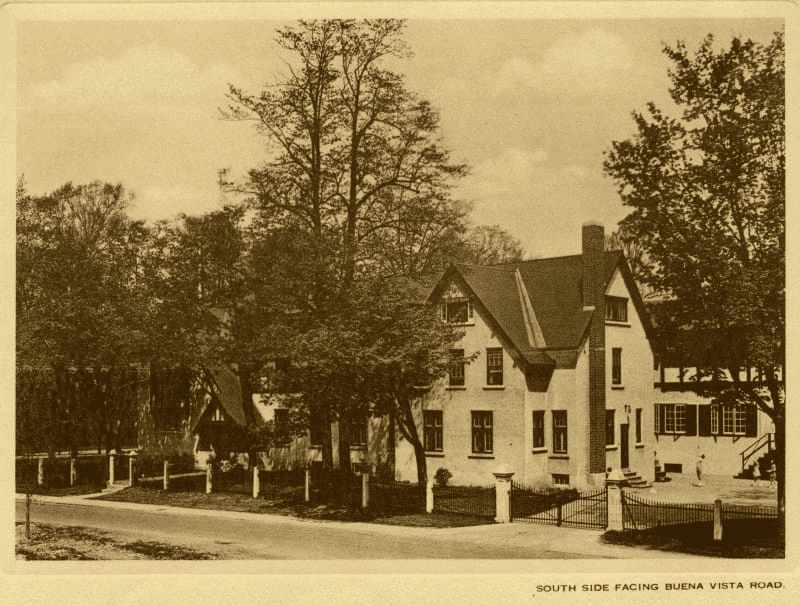
The institution was founded by Theodora Philpott in 1925 as the “Rockcliffe Preparatory School.” It was located in the village of Rockcliffe Park (now at 261 Buena Vista Road). A few words about the founder: she was a respectable married woman with children who dreamed of creating an excellent school. After founding the school, she moved to England, and Elmwood School was taken over by Edith Buck. Before leaving, she gifted the school a Bible box with the inscription “Keep the Faith.”
In 1925, the institution underwent reconstruction, and the first 25 students were admitted. Including the matron and maids, a total of 40 people lived in the school. In 1966, the boarding school was closed.
Revival of the School
The number of students began to grow: in the 1960s, there were 130 students, and by the 1980s, the number exceeded 300. As the student population increased, so did the need for additional rooms. A construction company was hired to demolish the inner courtyard and build new classrooms, offices, and a large gymnasium.
By 1978, the school had introduced the International Baccalaureate program.
A little more time passed before Elmwood School became the first school in North America to receive accreditation for all three levels of the IB program.
Features of Education at Elmwood
The school provides education for students aged 4 to 18. Classes are small, with a 7:1 student-teacher ratio. The private institution follows traditions similar to those of British schools. Senior leaders in the graduating year are called prefects.
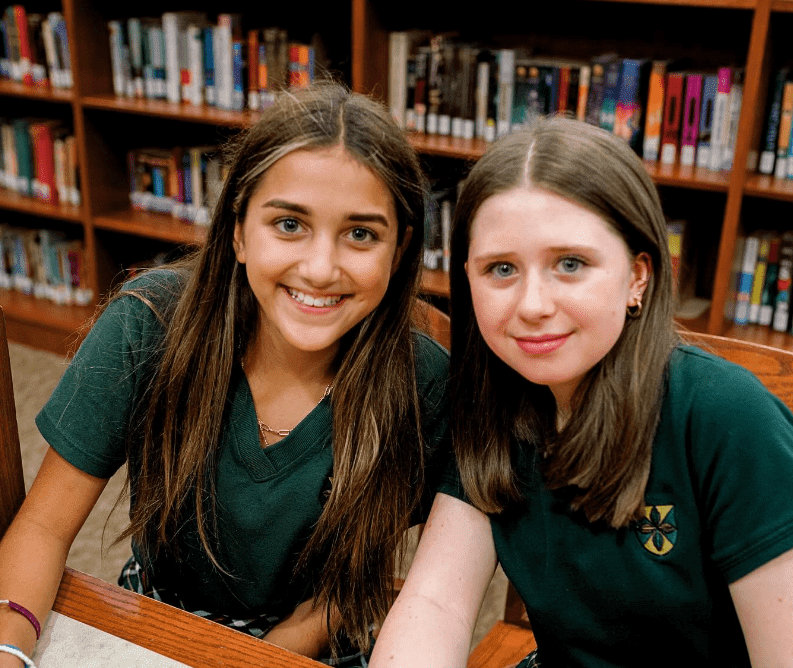
Students wear a special uniform. Graduates of the school are admitted to universities in Ontario, Canada, the United States, the United Kingdom, and other higher education institutions.
It is worth noting that over 80% of graduates receive university scholarships, indicating the high level of preparation and academic success of the students.
Some of these opportunities include:
- The Greville Smith Scholarship from McGill University, awarded to outstanding high school graduates entering the institution.
- The National Excellence Award from the Canada Millennium Scholarship Foundation, awarded annually to 100 Canadian graduates recognized for outstanding academic achievements and extracurricular involvement.
- The Sesquicentennial Scholarship from St. Lawrence University in New York, available to graduates with high academic performance.
- The Undergraduate Research Scholarship from the Faculty of Science at the University of Ottawa, supporting students pursuing research-based programs.
- The Richard Lewar Scholarship from Carleton University, awarded to graduates with high academic performance and active community engagement.
- The Presidential Entrance Scholarship from Western University, intended for graduates with outstanding academic records. In 2019, all graduating students at Elmwood were Ontario scholars.
School Traditions
One of the most prominent traditions is that 12th-grade students wear white dresses for the graduation ceremony instead of the traditional black cap and gown. Graduates take photos on the ceremonial staircase in the oldest part of the school.
Another (more recent) tradition is the Rose Ceremony, where an 11th-grade student presents a rose to a graduating student, recognizing her achievements and contributions to the school’s history and activities. A younger sister of a graduate attending Elmwood is allowed to make a speech.
For over 20 years, the school has hosted the “Father-Daughter” event, an annual dance. This formal event takes place in February, providing an opportunity for fathers and daughters at Elmwood to bond. A recent addition to the social calendar is the “Mother-Daughter” event.
School Structure
Elmwood students are divided into four houses, each named after an inspiring woman who made a historical impact:
- Elizabeth Fry (Betsy Fry) – A well-known English prison and social reformer, philanthropist, and Quaker. She was chosen by students for her work in improving the lives of the poor and prisoners. The house motto is “Societas Humana – Friendship for All.” The symbol is a gold star, colors are red and gold, and its charity focus is humane societies.
- Helen Keller – An American writer and advocate for the rights of people with disabilities. She was a political activist and lecturer whose determination paved the way for individuals with disabilities. The house motto is “Fair Play,” its symbol is a paw print, colors are light blue and white, and its charity focus is Canadian Guide Dogs for the Blind.
- Florence Nightingale – An English social reformer, statistician, and the founder of modern nursing. She improved the quality of care for sick and wounded soldiers during the Crimean War. The house motto is “Non Nobis Solum – Not for Ourselves Alone,” its symbol is an anchor, colors are dark blue and silver, and its charity focus is the Make-A-Wish Foundation, which grants wishes to children with critical illnesses.
- Cairine Wilson – The first female senator of Canada, representing Ontario (appointed in 1930). She was also a leader in liberal clubs and youth groups. The house motto is “To Give Ourselves and Never Count the Cost for Others’ Greater Need,” its symbol is a banana, colors are yellow and purple, and its charity focus is the Boys and Girls Clubs of Canada.
Each student is assigned to a house upon joining Elmwood and remains part of it until graduation. Students actively participate in events and activities within their houses.
Every year, house members select a social service initiative and charity focus, then organize fundraising events.
Celebrating 100 Years
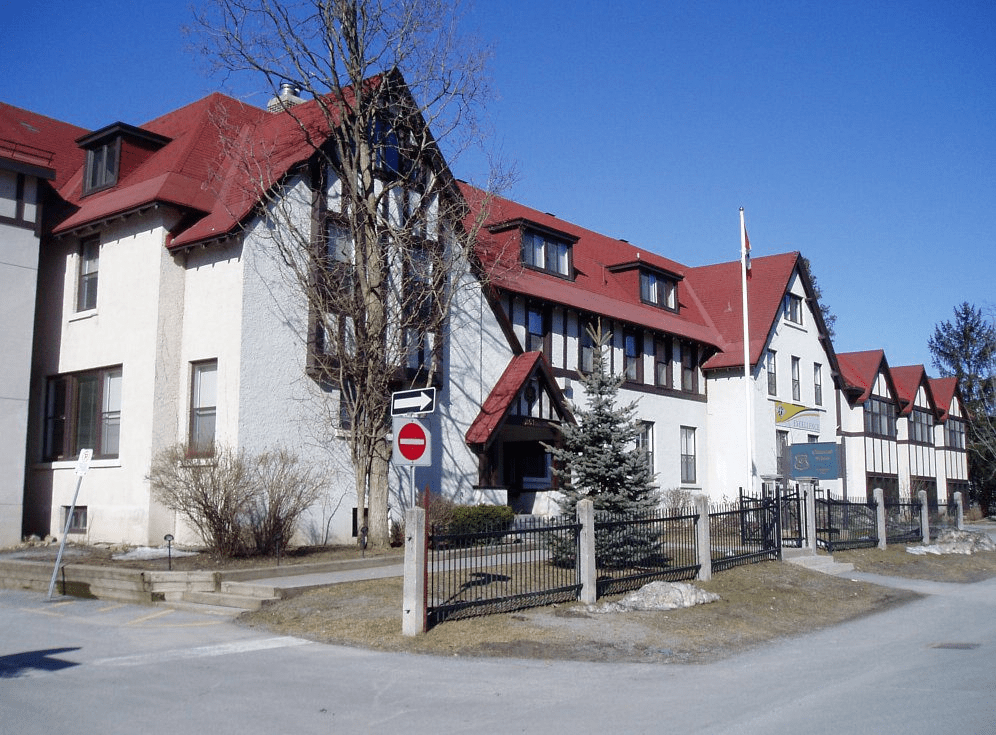
At the beginning of the 21st century, the student population exceeded 500. To accommodate this growth, a separate junior school was built, and new library, music, and art rooms were added to the main building.
The school’s achievements and success can be highlighted through key facts:
- Over 50% of graduates continue studying mathematics, engineering, and natural sciences at university, confirming Elmwood’s strong performance in these fields.
- Diversity and cultural inclusivity: Elmwood School welcomes students from over 30 nationalities. Many experts consider this one of the school’s strengths.
- Around 20% of Elmwood students are members of the diplomatic community. The school is known for educating children of political and diplomatic figures.
- The school’s symbol is the daffodil, and its anthem is a modified version of “To Be a Pilgrim” by John Bunyan.
In the 2015-2016 academic year, the school celebrated its 100th anniversary, bringing the community together for a grand celebration.