

Kanata North Technology Park is one of Canada’s powerhouse tech hubs, having transformed the western part of Ottawa into a true “Silicon Valley North.” Over the span of 50 years, the area evolved from an ambitious urban experiment into a global innovation center resilient enough to weather major economic storms. In this article on ottawa1.one, we look at how Kanata North came to life around Nortel, survived the tech giant’s collapse, which companies drive its momentum today, and how this dynamic ecosystem created more than 63,000 jobs while generating billions for the Canadian economy.
From a Garden Village to an Innovation Hub: William Teron’s Vision and the Rise of Newbridge Networks
The foundation of Kanata North’s success was laid by William Teron, widely recognized as the “Father of Kanata.” Teron envisioned a master-planned community that offered an ideal balance between workspace, residential living, and natural surroundings. With its abundant green space, people were eager to live and work here—providing the initial spark that fueled today’s technology park.
The 1980s and 1990s marked a period of rapid expansion and high-octane entrepreneurship. This unique environment spurred fast-paced technological breakthroughs, propelling several local companies to extraordinary heights.
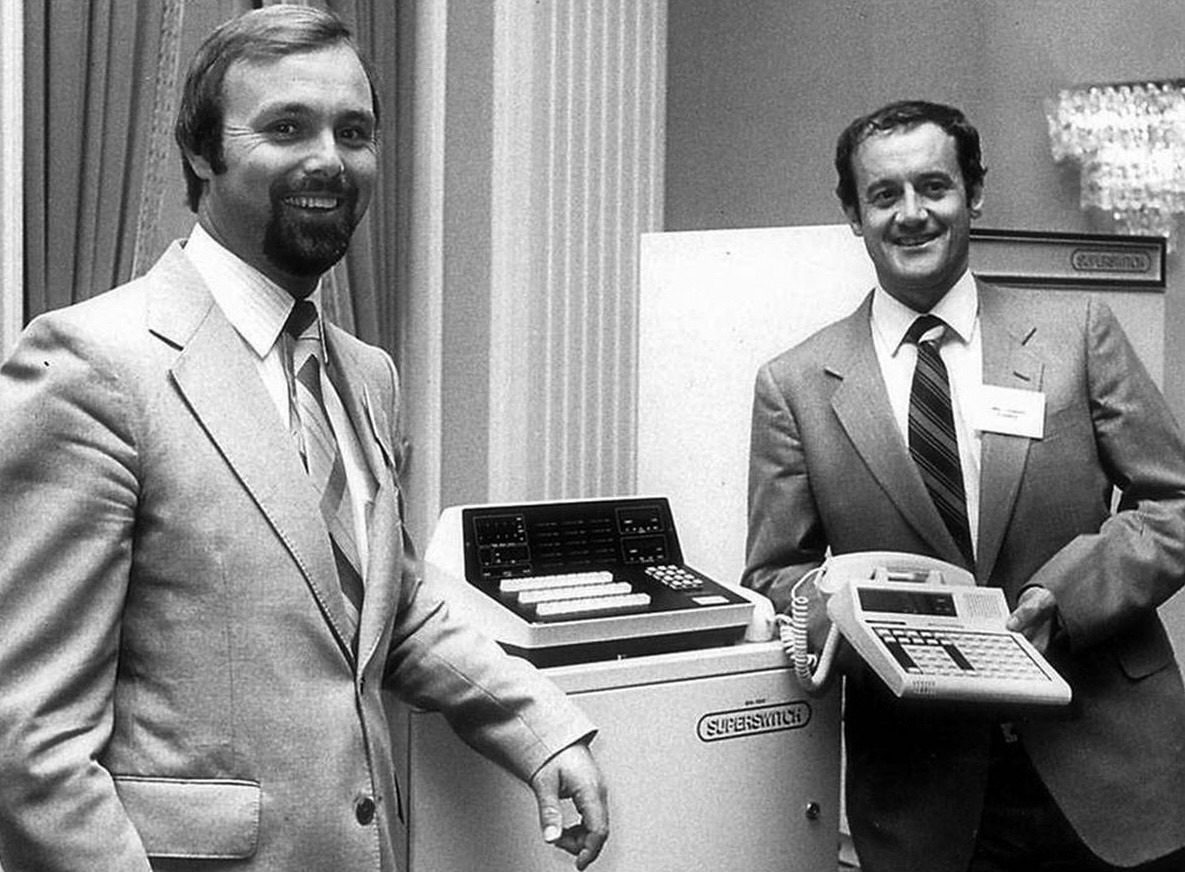
A prime example was Newbridge Networks. In its fourth year, the company was booking sales between $100,000 and $500,000 per customer. By years six and seven, that figure jumped to $1–2 million per customer, before surging to an impressive $20–30 million range just a year later.
The Fall of Nortel and “Nuclear Winter”: How Ottawa’s Darkest Tech Crisis Sparked a Startup Boom
In the early 2000s, Ottawa’s high-tech sector was battered by a severe downturn known throughout the industry as the “nuclear winter.” In 2000, market standout Newbridge Networks was acquired by and eventually merged into Alcatel. Soon after, telecom leader Ericsson expanded into the Ottawa market.
However, the most catastrophic blow came with the collapse of telecommunications giant Nortel. The fallout sent shockwaves throughout the national capital and reshaped the entire Canadian tech landscape.
Yet despite the downfall, Nortel left behind a remarkable legacy, serving as an inadvertent incubator for new ventures. The company had long acted as an anchor customer for smaller local firms while training thousands of engineers and managers who gained the skills needed to launch and run their own startups.
Nortel’s talent and influence laid the groundwork for several major industry players, including:
- Mitel Networks Corp;
- Newbridge Networks Corp;
- Mosaid Technologies Inc;
- Tundra Semiconductor Corp.
Nortel’s business assets were gradually acquired by industry competitors such as Ciena, Ericsson, and Avaya, while other units were absorbed by Ribbon and Kapsch. Crucially, the region’s top tech talent chose to stay in Kanata North.

Most professionals chose to stay in the community where their families had settled and their children were growing up. They joined existing businesses or launched new enterprises, steering the park back onto a steady path of growth.
The Silicon Valley North Ecosystem: 540 Companies, Telecom Dominance, 5G, and AI
For decades, Kanata North has earned global recognition as Silicon Valley North (“Silicon Valley of the North”). Represented by the Kanata North Business Association (KNBA), it stands as Canada’s largest technology park, home to more than 540 companies and over 33,000 employees. The ecosystem is exceptionally dynamic: between 2018 and 2023, tech employment in Ottawa grew by 51.7%—one of the fastest expansion rates among all North American metropolitan areas.
Small and mid-sized enterprises thrive here alongside global multinationals. Leading international players operating in the park include Ciena, Cisco, Ericsson, Huawei, and Nokia. Flourishing alongside them are key Canadian innovators such as DragonWave, Edgewater Wireless, Mitel, KodaCloud, and SSi Micro.
The park’s signature strength lies in telecommunications, wireless networking, and photonics. Employing roughly 8,000 specialists, this sector generates $1.8 billion in annual revenue. Remarkably, about 90% of all industrial telecom research and development in Canada still originates within the Kanata North cluster.
Key technological frontiers driving the ecosystem include:
- Artificial intelligence, machine learning, and next-generation programming (software 2.0);
- Cloud platforms and ultra-fast 5G deployments;
- Autonomous vehicle engineering and smart mobility platforms;
- Medical technologies (MedTech), advanced by companies like Celestra Health;
- Photonics and embedded systems.

Economic Impact on Ottawa and Canada: $13 Billion in GDP and Over 63,000 Jobs
The Kanata North tech hub plays an essential role in Canada’s national prosperity. Studies indicate the park contributes over $13 billion annually to Canada’s GDP. Across the country, its operations generate $17.9 billion in total economic output, supporting upwards of 63,000 jobs nationwide.
Rick Clayton, an analyst with Doyletech, considers Kanata North a powerful counterweight to Canada’s productivity slowdown and traditional reliance on natural resources. “Kanata North is a prime example of Canadian intellect being monetized worldwide through the domestic and multinational firms based here,” he emphasized.
He noted that the park’s skilled workforce commands globally competitive salaries, which in turn stimulates local commerce and drives the regional economy.

Hub350: Bringing Business, Capital, and Academia Together in the Heart of the Tech Park
To reinforce its standing as an innovation engine, the park launched Hub350 at 350 Legget Drive. Designed by Linebox Studios, this collaborative facility serves as a central meeting ground for industry leaders, academic researchers, and venture investors. Hub350 provides KNBA members with seamless access to key networks, talent, and capital needed to scale their businesses.
The hub’s modern setup includes meeting rooms, soundproof phone booths, and a cutting-edge media studio supported by homegrown tech anchor Ross Video.
Royal Bank of Canada (RBC) serves as one of the hub’s key financial partners, providing businesses with comprehensive financial services alongside its RBCx platform to help founders scale faster. Connecting academia directly to industry, the University of Ottawa (uOttawa) opened a satellite facility here in 2019. This presence aims to support the park’s next chapter by linking emerging student talent, research initiatives, and professional development directly to resident employers.

Table: Key Economic Indicators for Kanata North
| Metric | Value |
| Resident companies | 540+ |
| Park workforce | 33,000+ |
| Supported jobs across Canada | 63,000+ |
| Annual contribution to Canada’s GDP | $13B+ |
| Total national economic output | $17.9B |
The rise of Kanata North from a planned garden suburb to a world-class technology hub proves that sustainable growth relies on agility, a rich talent pool, and deep community roots. By successfully moving past the early-2000s crisis sparked by Nortel’s collapse, the ecosystem adapted and solidified its position as Canada’s largest technology park.

From pioneering communications networks to autonomous vehicle breakthroughs, innovations born in Ottawa continue to chart the industry’s path forward. With steady investment and purpose-built venues like Hub350, Kanata North remains a vital growth engine for both the capital region and the national economy.