

In the ever-evolving world of wellness, modern spa enthusiasts are increasingly looking back to time-tested European natural healing practices. Among the most revered of these traditional methods is the Kneipp Path (or Kneipp cure), a 19th-century German hydrotherapy ritual that combines rhythmic walking, temperature contrasts, and natural foot reflexology. Originally developed by Bavarian priest and natural health pioneer Sebastian Kneipp, this therapeutic practice is currently experiencing a massive revival across North American luxury retreats and urban wellness centers.
Today, individuals seeking deep relaxation, boosted circulation, and reduced lower-body fatigue no longer need to travel to the Bavarian Alps to experience these revitalizing effects. Discovering a dedicated Kneipp Path in Canada has become one of the most sought-after holistic experiences for locals and travelers alike who want to restore balance to their physical and mental well-being.
What Exactly Is a Kneipp Path?
A traditional Kneipp Path is a specially designed hydrotherapy circuit composed of two or more shallow basins filled with water at contrasting temperatures—typically cold water (around 10°C to 15°C / 50°F to 59°F) and warm water (around 36°C to 38°C / 97°F to 100°F).
The bottoms of these footbaths are lined with rounded river pebbles, natural stones, and textured surfaces. Participants walk slowly through the basins using a distinct technique known as the “stork walk” (Storchengang), where each foot is completely lifted out of the water before stepping back down. As the foot leaves the water, it is exposed to the air, accentuating the thermal and vascular contrast while the textured stones stimulate vital reflex points on the soles.
Key Health Benefits of Kneipp Walking Therapy
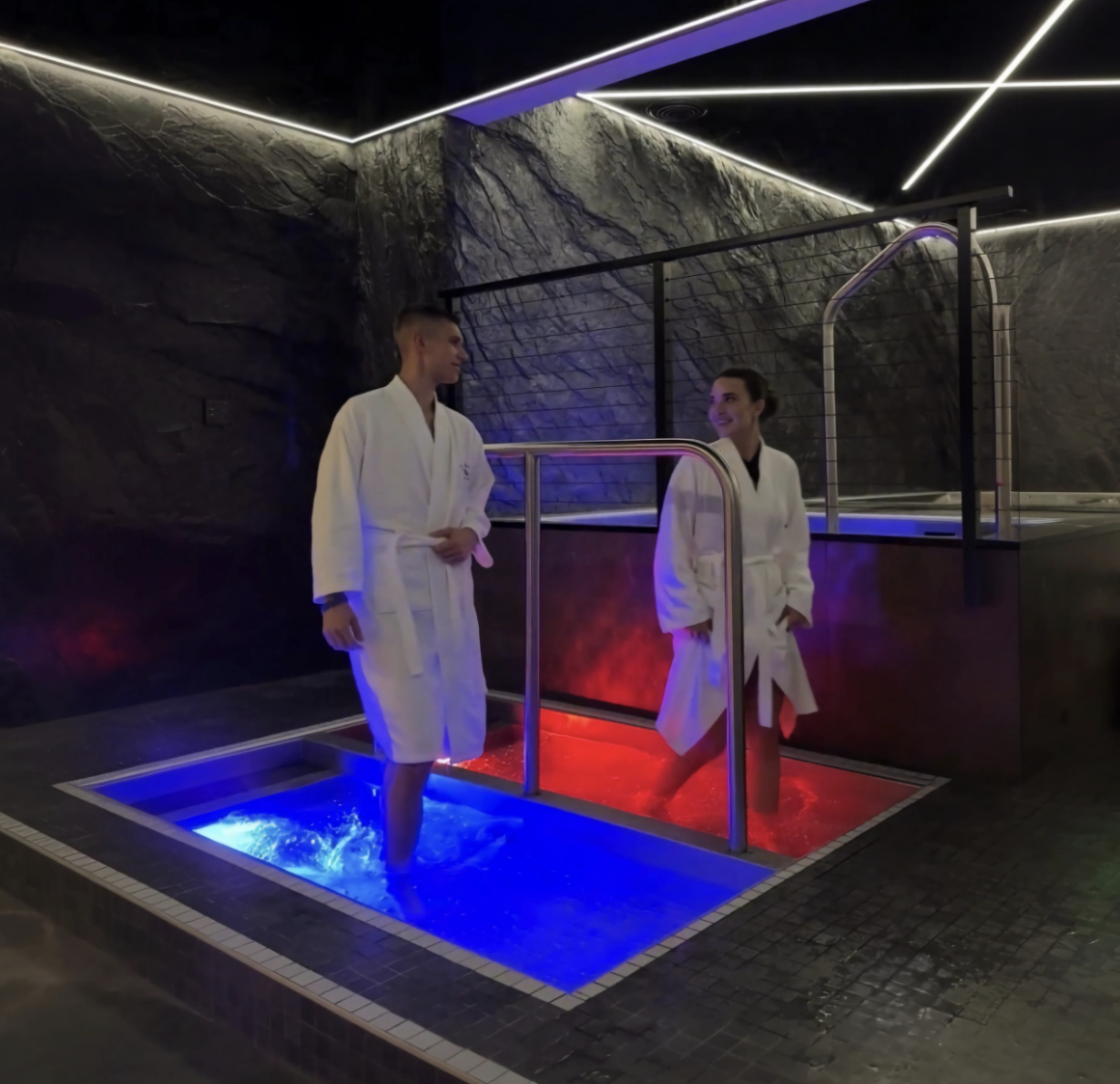
The therapeutic power of the Kneipp Walk lies in its ability to harness the physiological reactions of the circulatory and nervous systems. When feet transition between warm and cold environments, blood vessels rapidly dilate and constrict—a process known as vascular gymnastics.
Integrating regular Kneipp sessions into your wellness routine delivers an array of clinically recognized benefits:
- Enhanced Blood and Lymphatic Circulation: The alternating thermal stimulus encourages rapid blood flow, easing heavy legs, preventing varicose veins, and speeding up metabolic waste removal.
- Natural Reflexology and Stress Relief: Walking on smooth river stones applies gentle pressure to key reflex zones on the soles of the feet, releasing accumulated neuromuscular tension throughout the body.
- Immune System Activation: Regular exposure to controlled cold-water stimulation strengthens the body’s natural defense mechanisms and increases resilience against seasonal ailments.
- Autonomic Nervous System Balancing: The contrast between warm and cool water regulates cortisol levels, calming the sympathetic nervous system and promoting deeper, more restorative sleep.
- Joint and Foot Mobility: Active stepping over varied textures gently stretches foot arches, strengthens ankle ligaments, and improves proprioception.
How to Properly Navigate a Kneipp Hydrotherapy Circuit
To reap the maximum health benefits from a Kneipp session, it is essential to follow the established methodology rather than rushing through the water basins:
- Start with Warmth: Always begin with warm feet. Step into the warm basin first for approximately 1 to 2 minutes to relax the muscles and open up the blood vessels.
- Transition to Cold: Move directly into the cold basin. Walk with deliberate, high-stepping stork strides for 30 to 60 seconds.
- Repeat the Cycle: Alternate between warm and cold basins two to three times, always paying close attention to your body’s sensations.
- End Correctly: Most hydrotherapists recommend finishing on cold water to lock in the vascular toning effect, followed by briskly wiping away water droplets without aggressive rubbing.
- Warm Up and Rest: Put on warm socks and rest in a relaxed lounge area for 10 to 15 minutes to allow the natural warming reaction to take full effect.
Why Canadian Spas Are Modernizing Traditional Hydrotherapy
Canada has long been celebrated for its Nordic spa culture, which centers on saunas, outdoor cold plunges, and thermal baths. However, modern Canadian wellness facilities are now diversifying their hydrotherapy circuits by incorporating targeted treatments like the Kneipp Path.
Unlike whole-body ice baths, which can feel intimidating for beginners, foot-based contrast walking is gentle, accessible to all fitness levels, and exceptionally safe. Whether you are an athlete recovering from intense training, a professional suffering from the strains of prolonged sitting, or simply someone looking to unplug from daily stress, stepping onto a Kneipp Path offers an invigorating sensory journey that revitalizes the body from the ground up.