

In the mid-20th century, a unique school was established in Canada’s capital, dedicated to the study of theology and clergy. Over the years, the Ottawa School of Theology and Clergy evolved into an independent institution, embracing an ecumenical approach and expanding its interdenominational perspective. In the 21st century, the school’s doors remain open to anyone interested in deepening their knowledge of worship and the clergy. More details on ottawa1.one.
The Rise of Religious Education in Canada
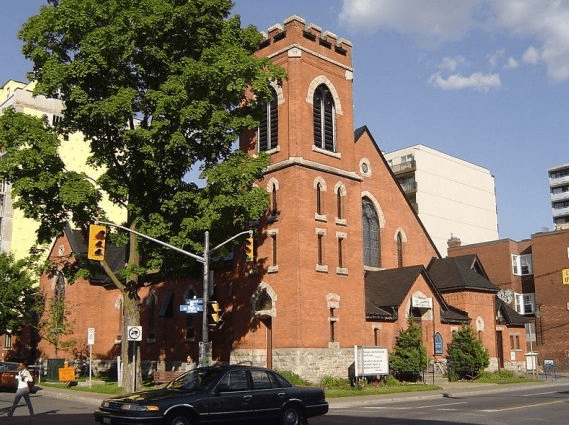
Following the end of World War II, interest in studying the Bible and religion significantly increased among Canadians. Several factors contributed to this growing interest in religious studies:
- The impact of wartime experiences;
- New opportunities for higher education;
- A surge in academic studies of the Bible.
In the early 1950s, Canada’s university administrations decided to establish religious studies departments within universities. However, these programs lacked a comprehensive Christian perspective compared to specialized theology schools.
In the mid-20th century, Canadian universities primarily offered basic theological education without in-depth exploration. The clergy training programs typically lasted three years, covering:
- The study of the Bible;
- An introduction to Christian history and theology;
- The study of ethics as a concluding course.
The Founding of the Ottawa Secular School of Theology
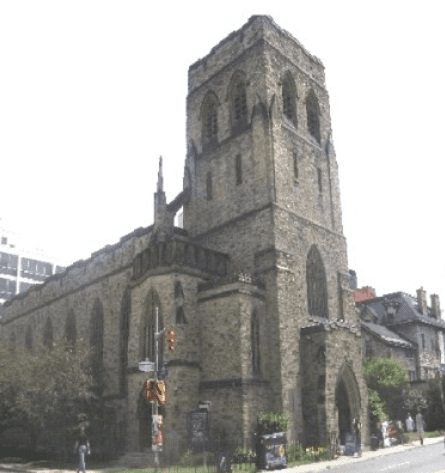
The origins of the Ottawa Secular School of Theology date back to the mid-20th century. At that time, a religious program affiliated with Ottawa’s United Church offered specialized eight-week courses. By the 1950s, this was one of the best opportunities in Ottawa for religious and spiritual education. However, religious leaders in Canada’s capital believed that a more structured and comprehensive theological education was needed. Consequently, Ottawa’s faith leaders initiated the creation of the first United Secular School of Theology.
The Ottawa School of Theology officially opened in the fall of 1964. Establishing the school required significant effort, including regular inspections and information campaigns to inform Ottawa residents about the opportunities it offered.
From its inception, the Ottawa School of Theology and Clergy maintained exceptionally high academic standards. All faculty members were highly qualified professionals, and the curriculum was continuously refined based on student feedback and interests. For many years, only the most experienced lecturers taught at the Ottawa religious school, ensuring that theological education remained relevant and valuable to the city’s residents.
Today, the Ottawa School of Theology and Clergy has gained immense popularity. Many residents of Canada’s capital, as well as individuals from other cities, seek theological education and advocate for its accessibility, similar to any other field of study. The only requirement for admission to the Ottawa School of Clergy is the desire to study religion. There are no barriers to entry. The school welcomes believers, skeptics, and those exploring their faith. Students can examine their own religion, learn about others, and delve into the history and evolution of various spiritual traditions.