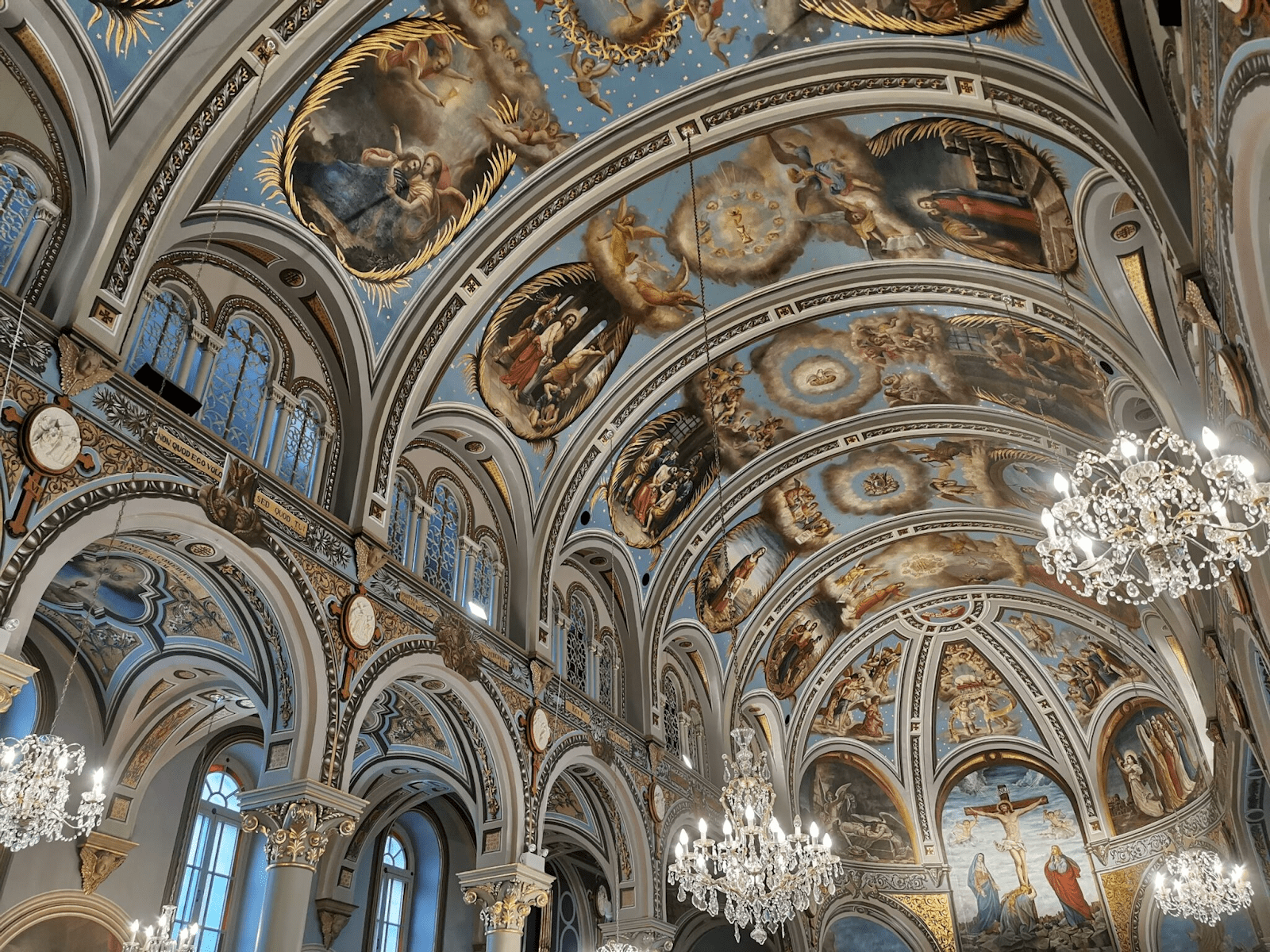
This Roman Catholic monastery stands as an example of religious heritage—a true sanctuary and home to the relics of Saint-Hyacinthe, located in Ottawa, Ontario. Learn more about it on ottawa1.one.
History of the Monastery
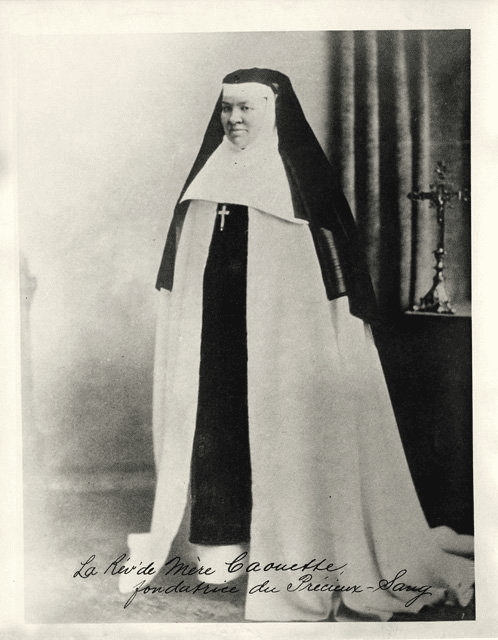
The religious community of the Sisters Adorers of the Precious Blood was founded on September 14, 1861, in Saint-Hyacinthe. Its founders were Aurélie Caouette and Joseph LaRocque, the then-bishop of Saint-Hyacinthe.
Interestingly, the founding of this community is closely linked to the devotion to the Blood of Christ, which intensified beginning in 1849, following Pope Pius IX’s decree on the Feast of the Most Precious Blood. Dedicated to prayer and worship, the Sisters Adorers of the Precious Blood became the first contemplative community in Canada.
This was a female religious congregation under papal law, distinguished by its specific mission. Unlike other religious communities, the Sisters did not offer direct services to the public. Their vocation was primarily dedicated to prayer, education, and community work.
Construction of the Monastery
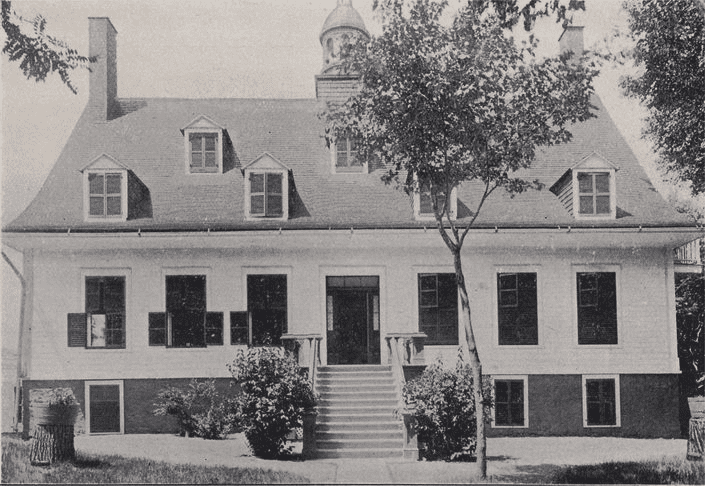
One of the founders, Aurélie Caouette, along with her followers, initially settled in the Caouette family home in Saint-Hyacinthe. By 1863, the Sisters Adorers of the Precious Blood had moved into their own monastery. Aurélie Caouette became the superior, more widely known as Mother Catherine-Aurélie du Précieux-Sang. As the community grew, so did the need for a new monastery.
Under the leadership of Mother Catherine-Olivia du Précieux-Sang, numerous monasteries were established in various Canadian cities, as well as in Japan, Italy, and China. One such monastery was founded in Ottawa in 1887.
Today, the residents of Ottawa can admire the beautiful Neo-Gothic structure that houses the monastery. It is worth noting that the Sisters Adorers of the Precious Blood remain active in Saint-Hyacinthe to this day.
In this context, it is important to mention the annual event coordinated by the Quebec Religious Heritage Council. The event, called “Religious Heritage Days,” aims to bring forth witnesses who can provide valuable insights into the rituals, ideas, and traditions that inspired past generations.
Such discoveries are made possible through initiatives related to local and regional efforts in the preservation of this heritage.
The activities of “Religious Heritage Days” are free of charge, though participants are encouraged to make voluntary donations at the event.
In 2018, the Montreal Joint Council for Religious Heritage of Quebec (abbreviated as CPRQ) led a pilot project. Its primary goal was to develop a concrete strategy for improving public access to sites of religious heritage. One of these sites was the Precious Blood Monastery of Saint-Hyacinthe in Ottawa.
Regional consultations conducted by the organizers of “Religious Heritage Days” have confirmed the continued relevance of this initiative for future editions of the event.
The 2024 event is scheduled to take place on September 6, 7, and 8. Here are a few reasons to participate:
- It offers an opportunity to learn more about the region’s religious heritage, including various types of churches and monasteries, whether transformed, little-known, or generally inaccessible spaces.
- Participants will gain insights into the artistic, historical, and architectural characteristics of Quebec’s religious heritage.
- It raises awareness about the significance, richness, and diversity of the region’s religious heritage.
More information about the Quebec Religious Heritage Council’s activities and events can be found on their official website.