

During the 19th and early 20th centuries, barbershops experienced their golden age. In Ottawa, a visit to the barber was much more than just a haircut or beard trim—it was a cherished tradition. These shops served as social hubs where men gathered to discuss the latest news, creating a lively atmosphere filled with conversation and the snip of scissors. The distinct scents of musky tonics, talcum powder, and grooming products mingled with the aromas of tobacco and coffee, creating an unmistakable ambiance. More on ottawa1.one.
What Is a Barbershop, and When Did They First Appear?
Today, most people know a barbershop as a men-only hair salon staffed exclusively by male barbers. The term originates from the Latin word barba, meaning beard.
Many Ottawans are familiar with the iconic symbol of a barbershop—the spinning pole with blue, red, and white stripes. However, few may know its deeper meaning:
- Blue represents veins,
- Red symbolizes blood, and
- White signifies sterility.
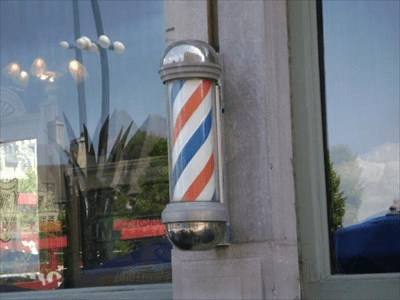
This emblem reflects the broader range of services barbers once offered, which extended beyond grooming to include basic medical procedures such as:
- Tooth extractions,
- Bloodletting,
- Applying leeches,
- Minor surgical operations.
Although regulations eventually prohibited medical practices in barbershops, some persisted in offering such services until the mid-19th century. By the late 1800s, barbershops became specialized spaces for haircuts, beard grooming, and styling, much like we know today.
The “Scottish Chambers Building” Barbershop
Ottawa saw its first dedicated barbershops emerge during the late 19th century, a period of rapid growth in the barbering industry. One notable early establishment was the “Scottish Chambers Building” barbershop, which later became the Imperial Barbershop.
This barbershop opened in the 1880s near Canada’s Parliament, strategically located in the lobby of a building housing the ticket office for the Canadian Pacific Railway. For over a decade, the shop catered to Ottawa’s growing population, gaining a reputation as one of the city’s premier establishments.
The Birth of the Imperial Barbershop
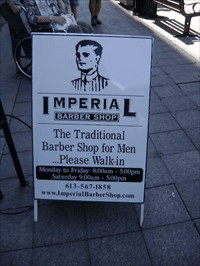
In 1905, businessman Pierre Charbonneau purchased the “Scottish Chambers Building” barbershop and relocated it to Sparks Street. After more than a decade of operation, the shop changed hands again in 1918 when Maurice Scully acquired it and renamed it the “Imperial Barbershop.”
The Imperial Barbershop had several owners throughout the 20th century, a notable exception being Éralie Lafleur, who managed the business from 1926 to 1956. Lafleur was one of the first women to own a barbershop in Ottawa, though she focused exclusively on the business side and did not work as a barber herself.
At its peak in the early 1900s, the Imperial Barbershop could serve up to ten customers at once. However, by the 1950s, the number of seats was reduced.
Renovation and Reopening
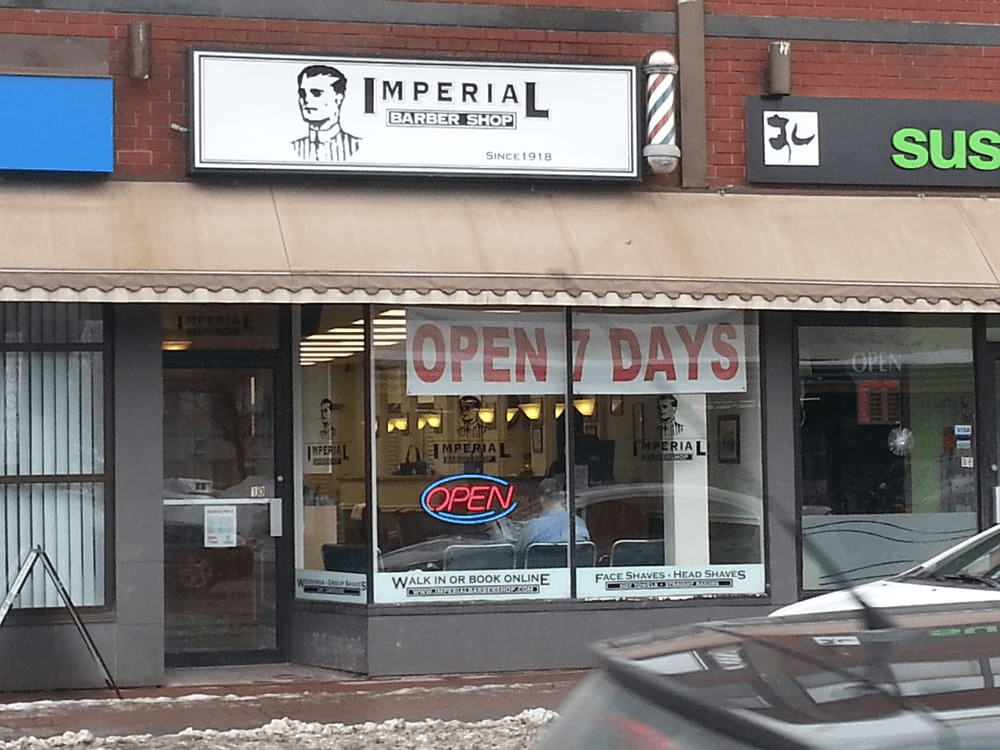
By the late 1980s, the building housing the Imperial Barbershop required significant restoration. In 1989, the shop temporarily closed as part of a large-scale renovation project that lasted six years. When the restoration was completed in 1995, the Imperial Barbershop reopened its doors in the same historic location.
New Ownership and Expansion
In 1998, Nancy Hunter became the new owner of the Imperial Barbershop. She successfully expanded the business, opening a second location on Slater Street in 2006 and a third in Glebe in 2009. By involving her family—husband and children—in the business, Hunter transformed the Imperial Barbershop into a family-run enterprise.
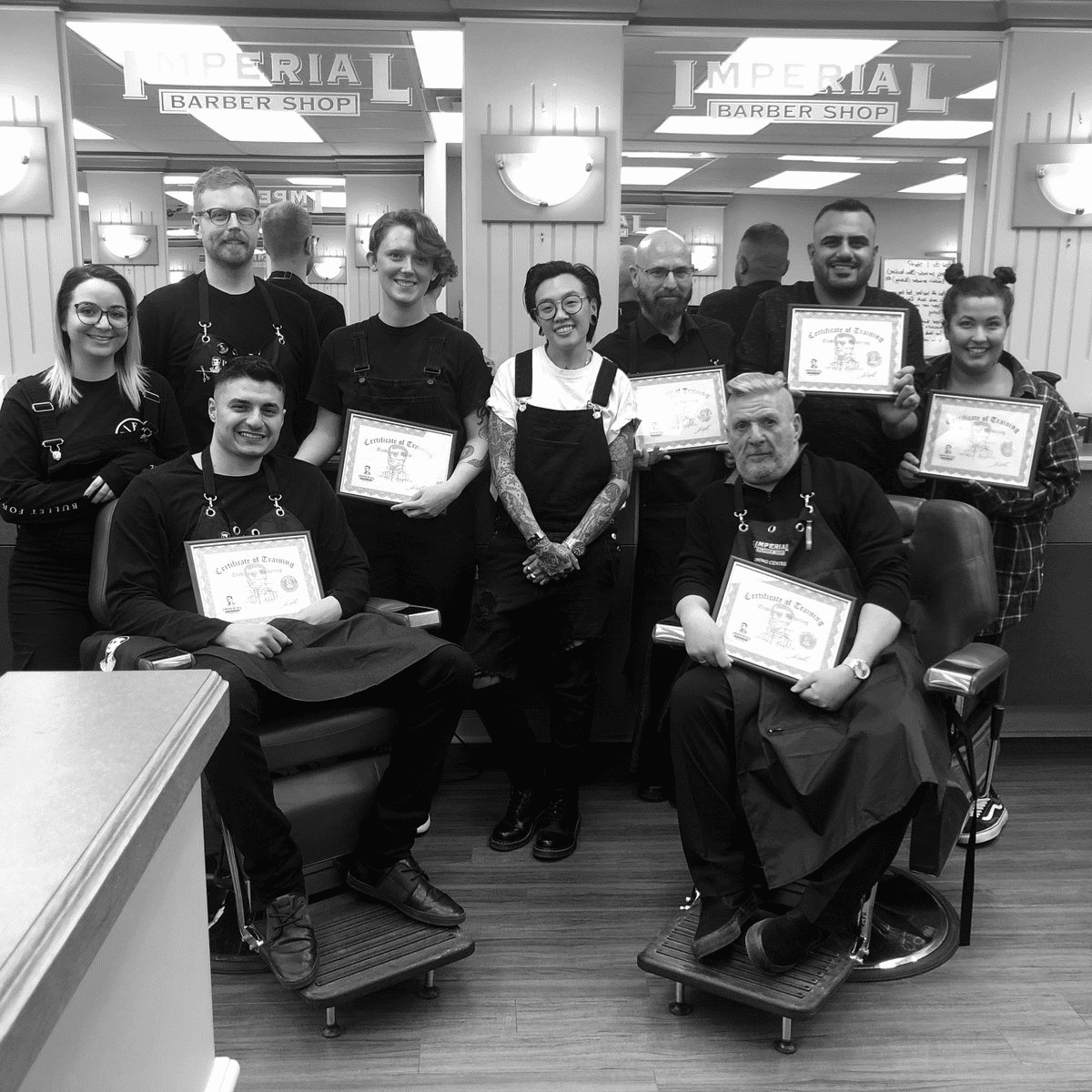
The barbershop on Sparks Street operated for over a century, providing high-quality grooming services to Ottawa’s men. In 2012, the original location temporarily closed to focus on staff training and skill development, ensuring the highest service standards.
That same year, the business expanded further, opening new locations in Beechwood, Orléans, Westboro (2015), and Kanata (2019). By the 2020s, the Imperial Barbershop had six locations across Ottawa.
Challenges in the Barbering Industry
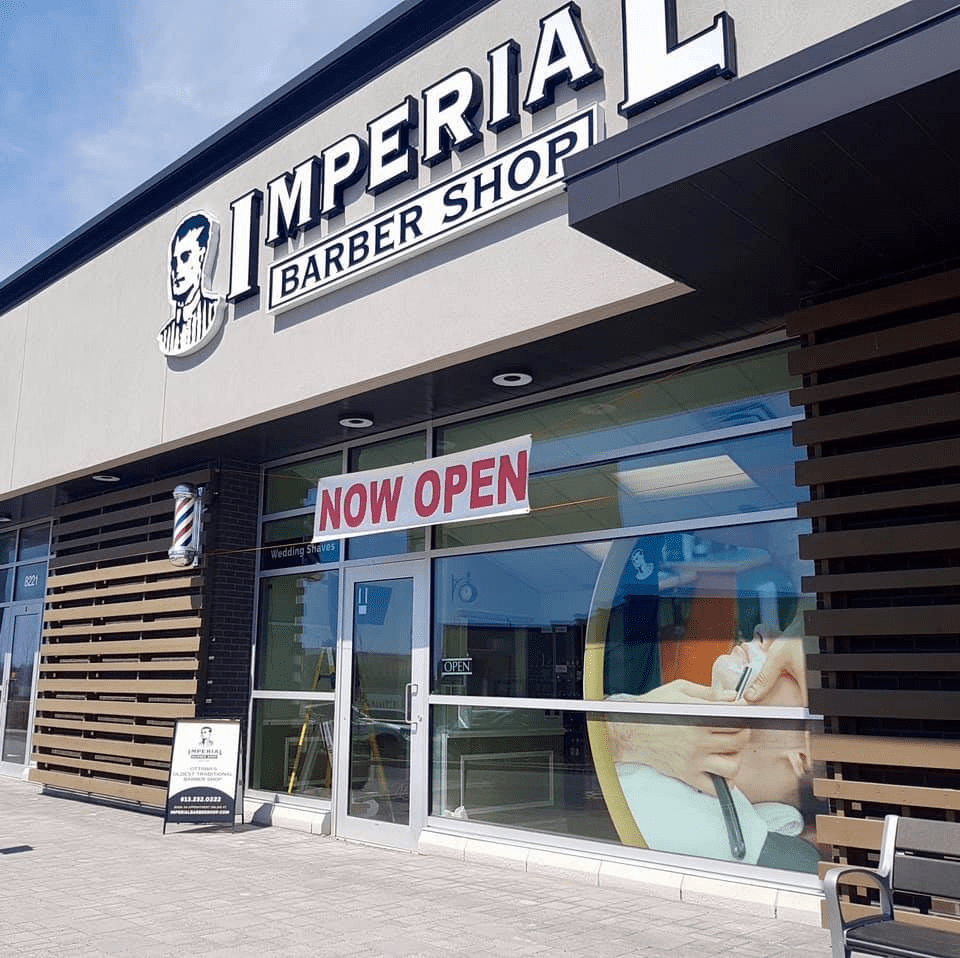
Barbershops flourished in Ottawa during the late 19th century, serving as essential hubs for men’s grooming and social interaction. However, the industry faced significant challenges in the 1970s when long hair became fashionable for men. Traditional barbers lacked the skills to handle longer hairstyles, driving many customers to unisex salons.
The rise of unisex hair salons in shopping malls and city streets marked a shift in Ottawa’s grooming culture. These establishments, often filled with the scent of hair spray and the sound of 1970s pop hits, became popular for their versatility.
Despite these challenges, the Imperial Barbershop persevered. While some locations struggled to compete, others adapted and thrived. By the 21st century, the Imperial Barbershop continued to uphold its legacy, with locations in Glebe, Elgin Street, and other neighborhoods. The historic Sparks Street location eventually closed, but the Imperial Barbershop remains a cornerstone of Ottawa’s barbering tradition, providing expert grooming services exclusively for men.